Gleix Video Synth // The I.F.D. // A semi-modular analog video synthesizer

The I.F.D.

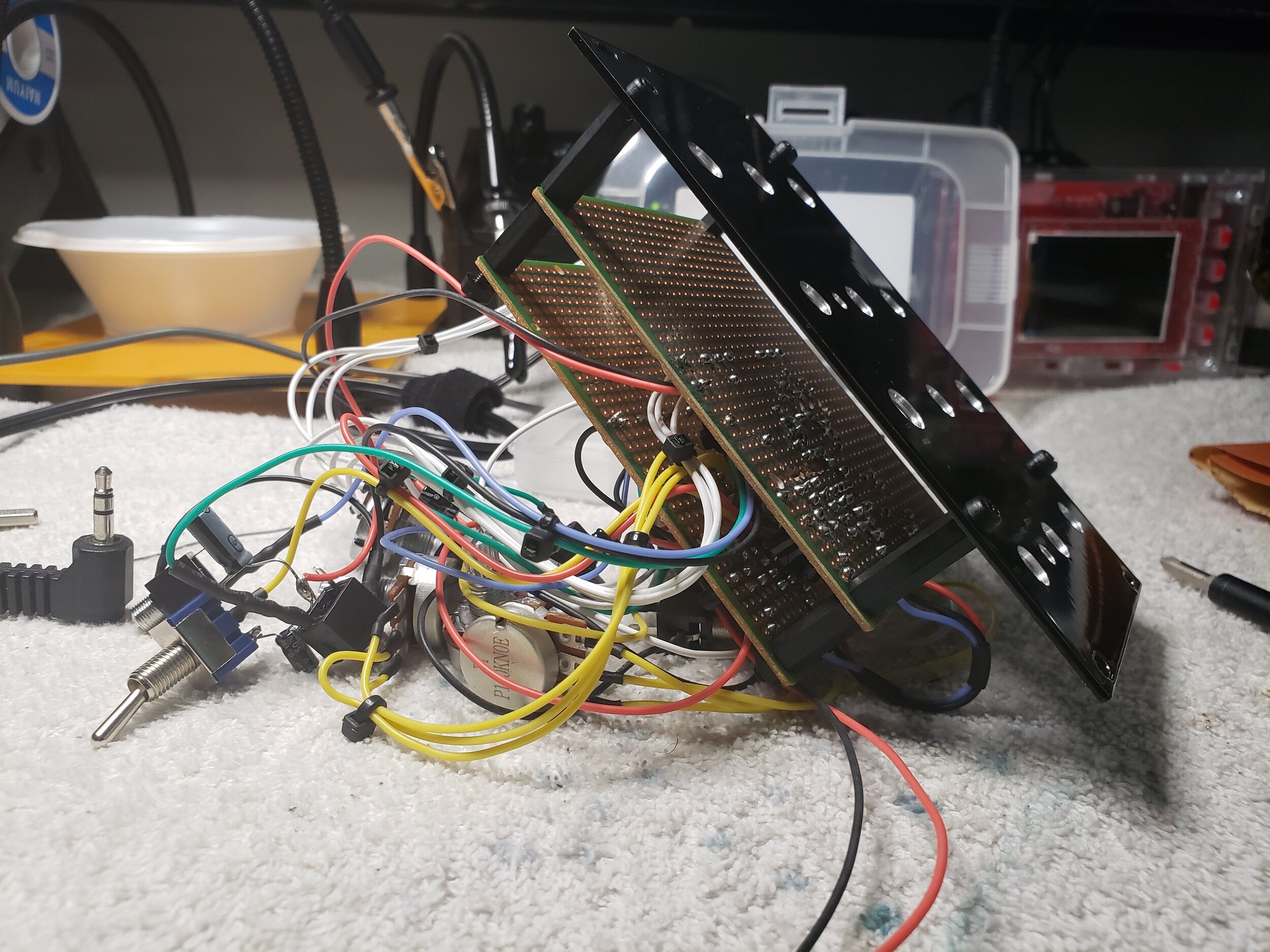
A self contained semi-modular audiovisual synthesizer for video feedback, digital glitches, drones and colorful experimentation

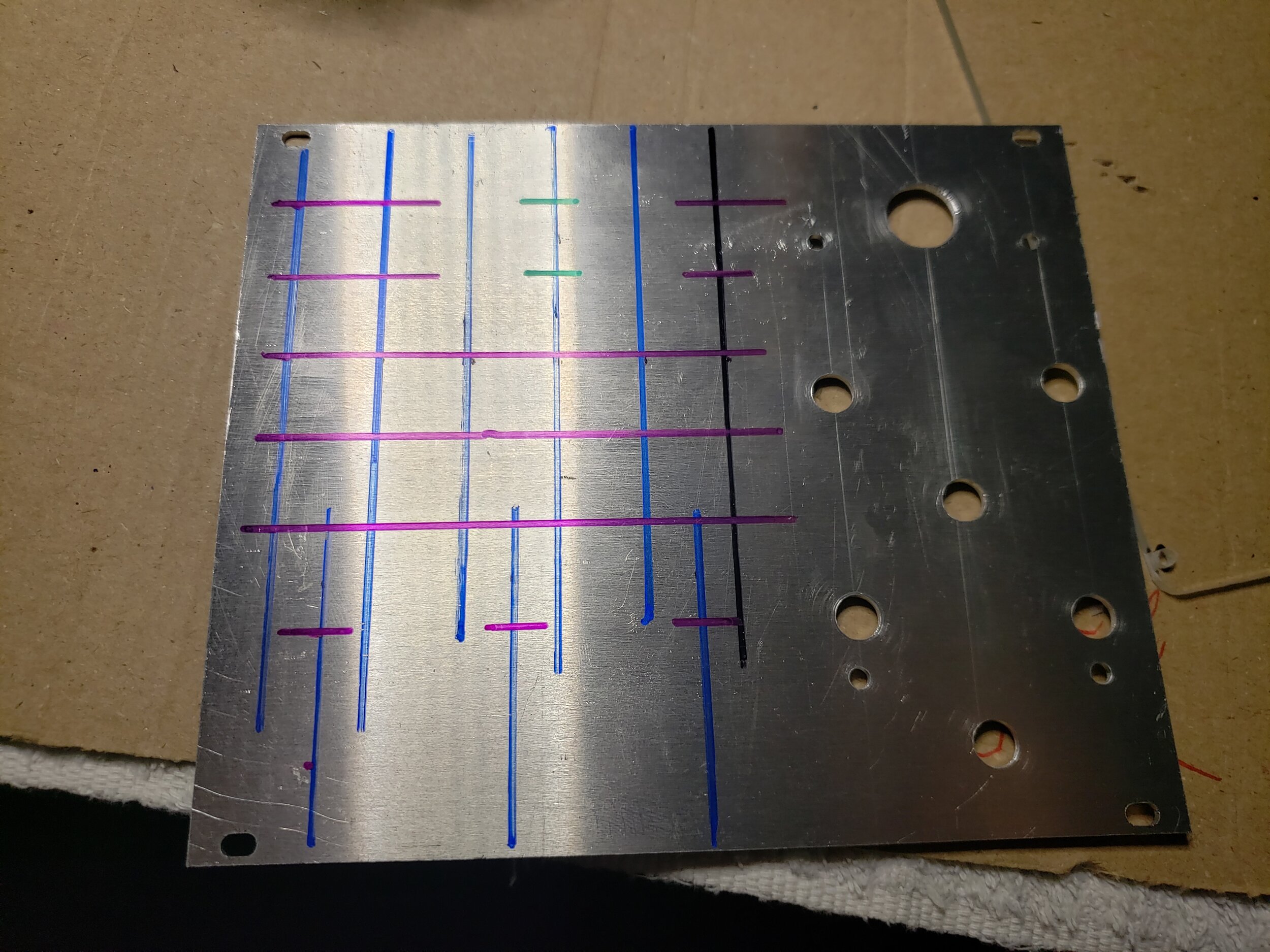
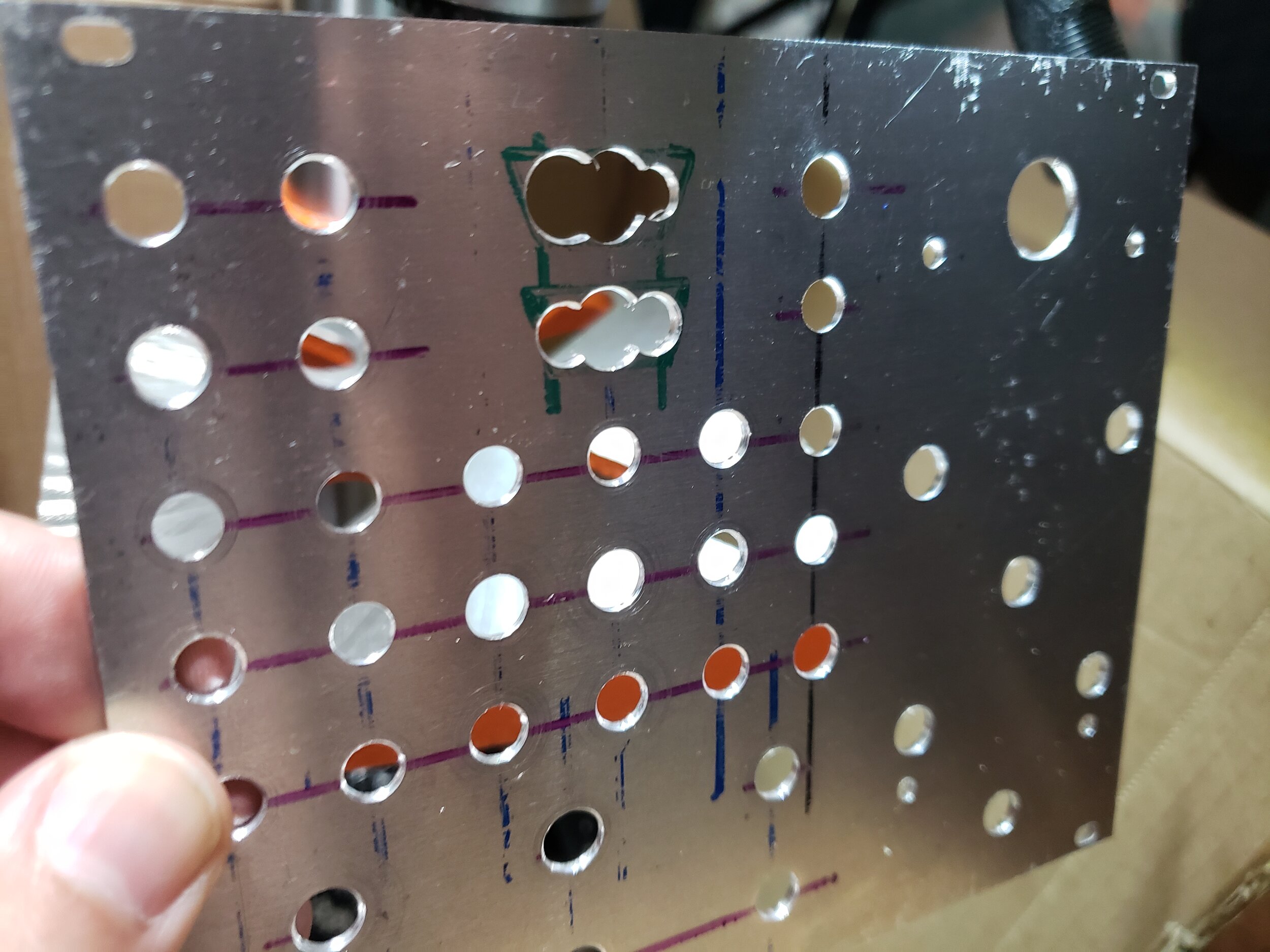
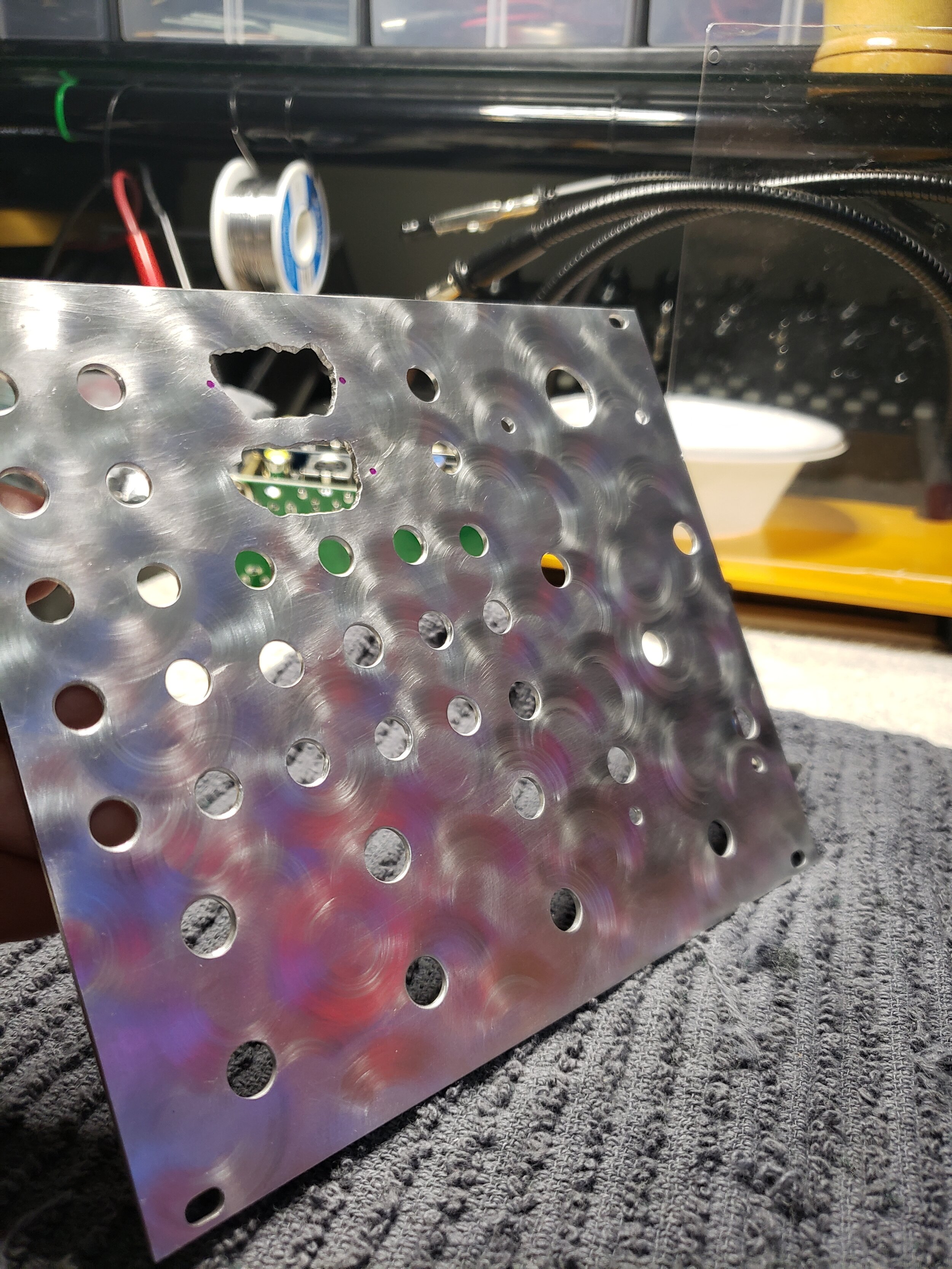
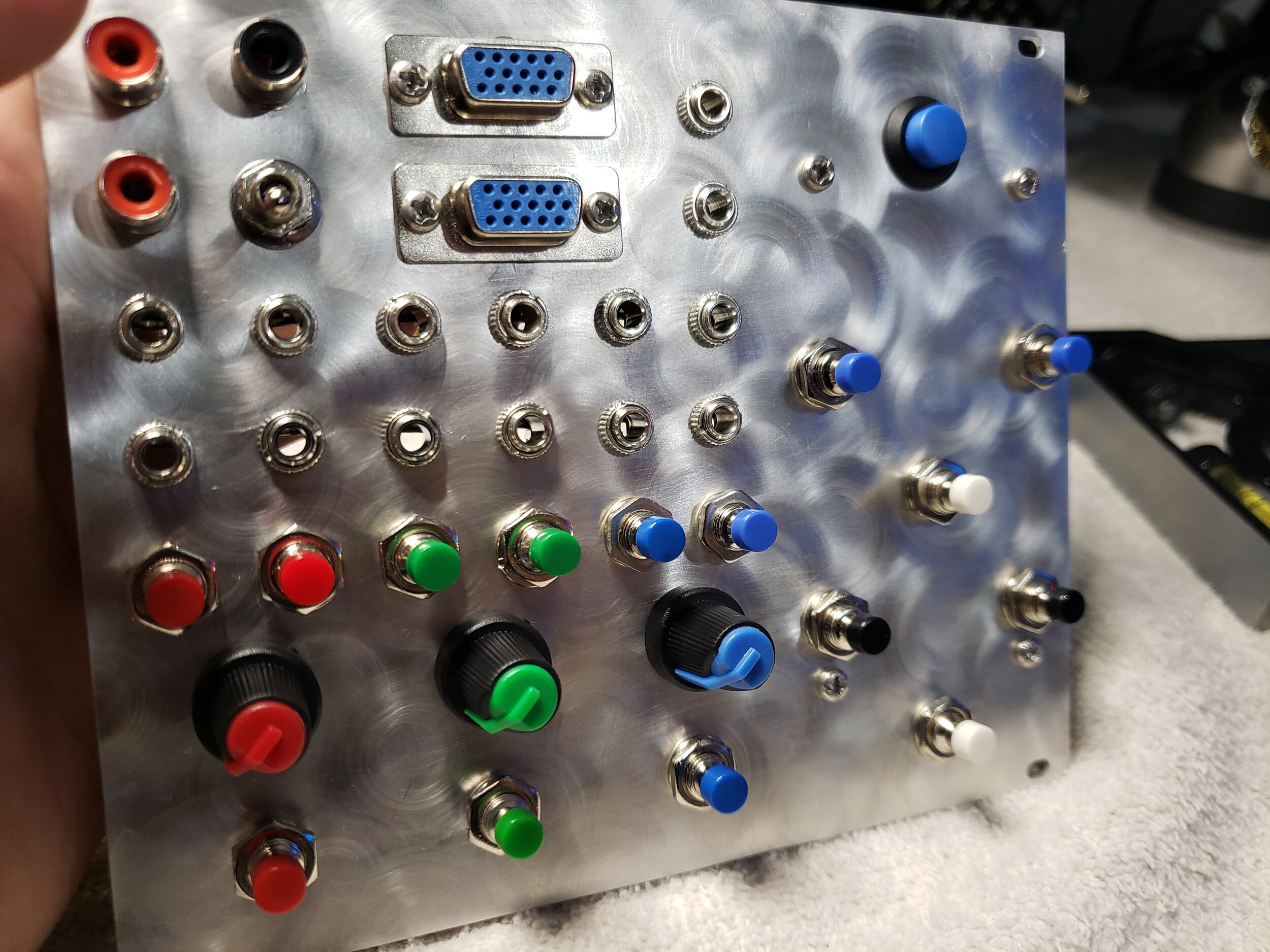
I feel like I’ve spent as much time documenting this build as I did making it, so I’m really excited to finally be sharing it with the world. This is what I might consider my “flagship” video synthesizer for the time being and it will serve as a reference point moving forward. Check out the page for this build here at gleix.net/ifd

Via the IFD page:

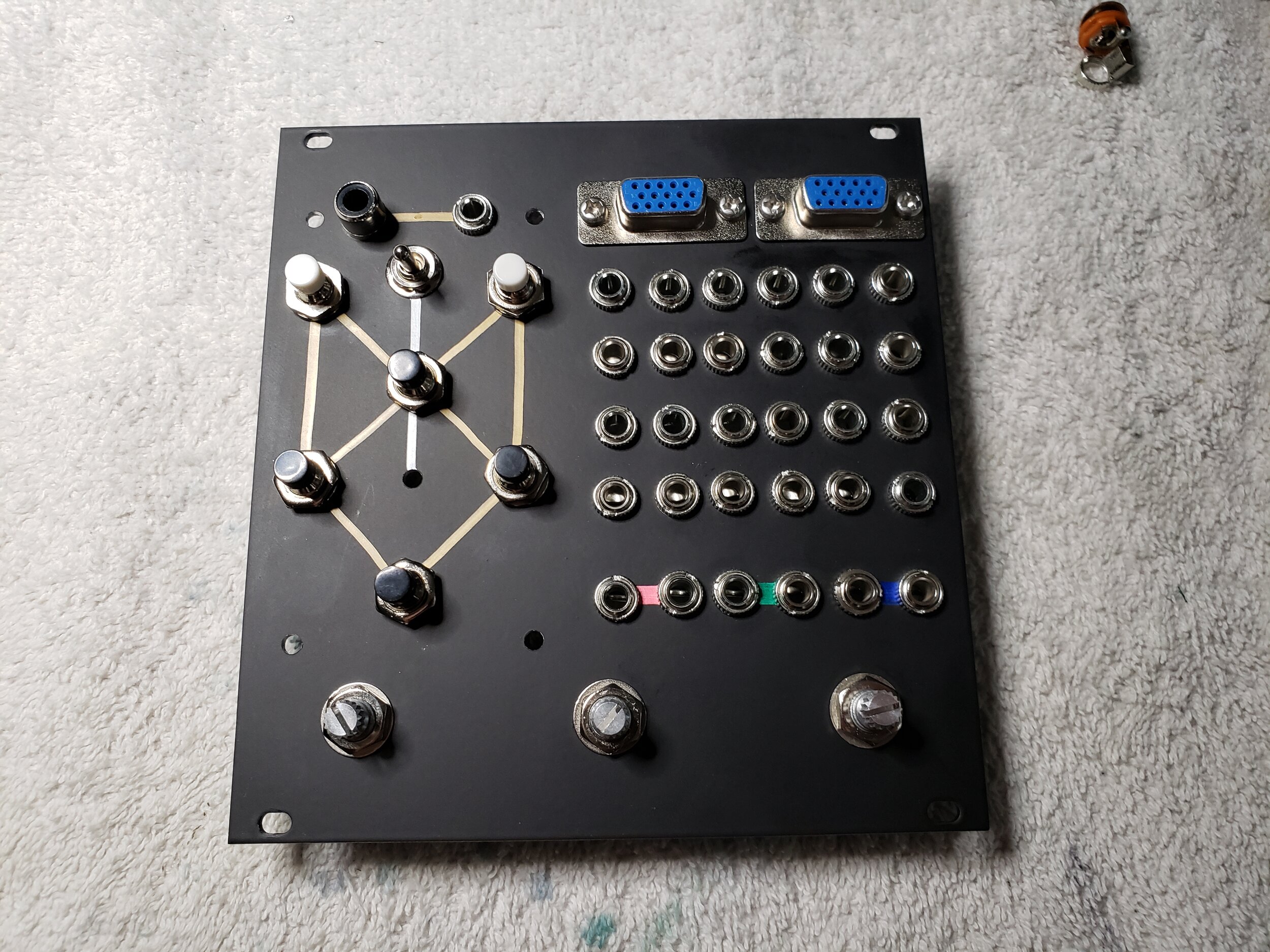
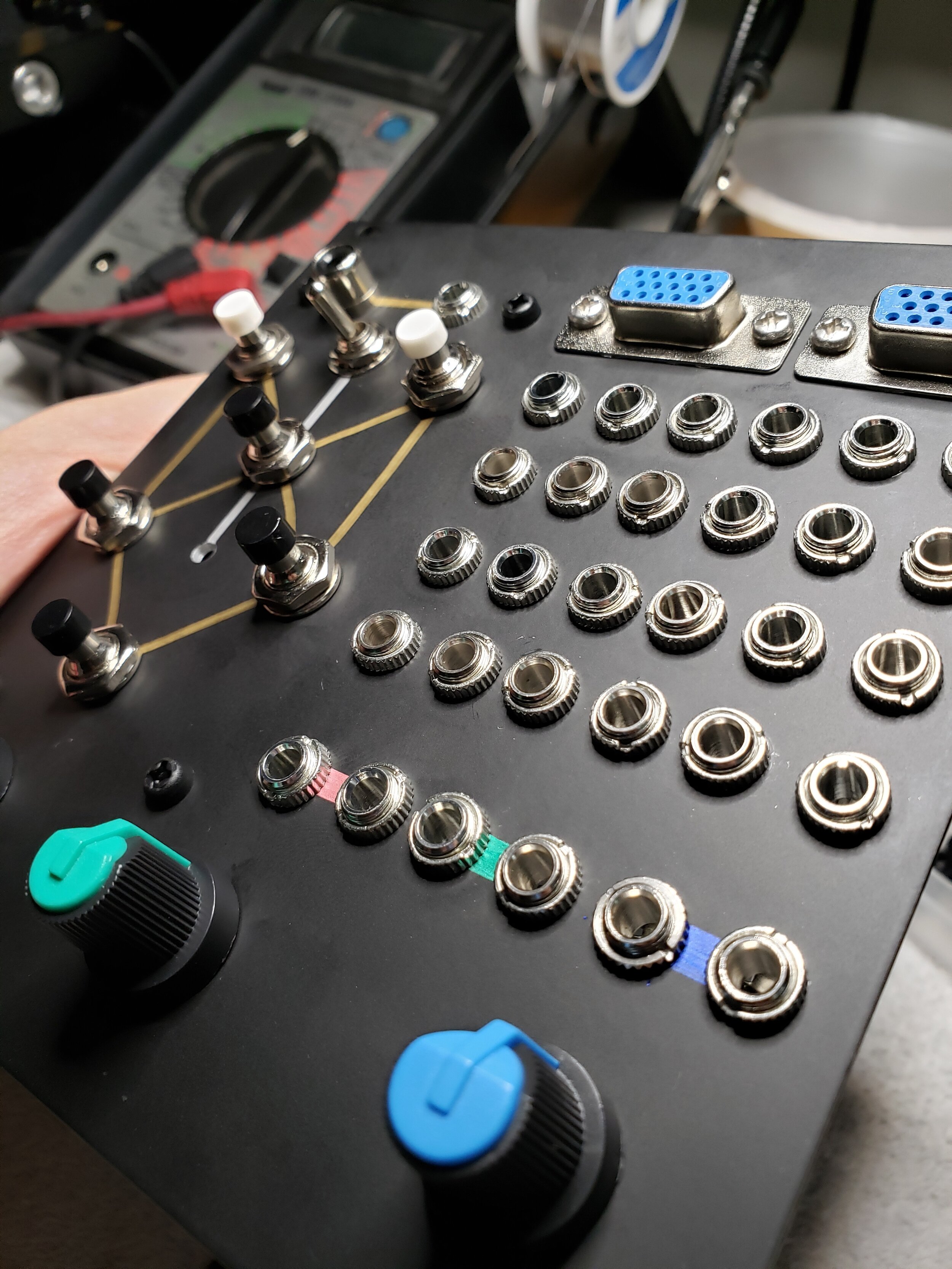
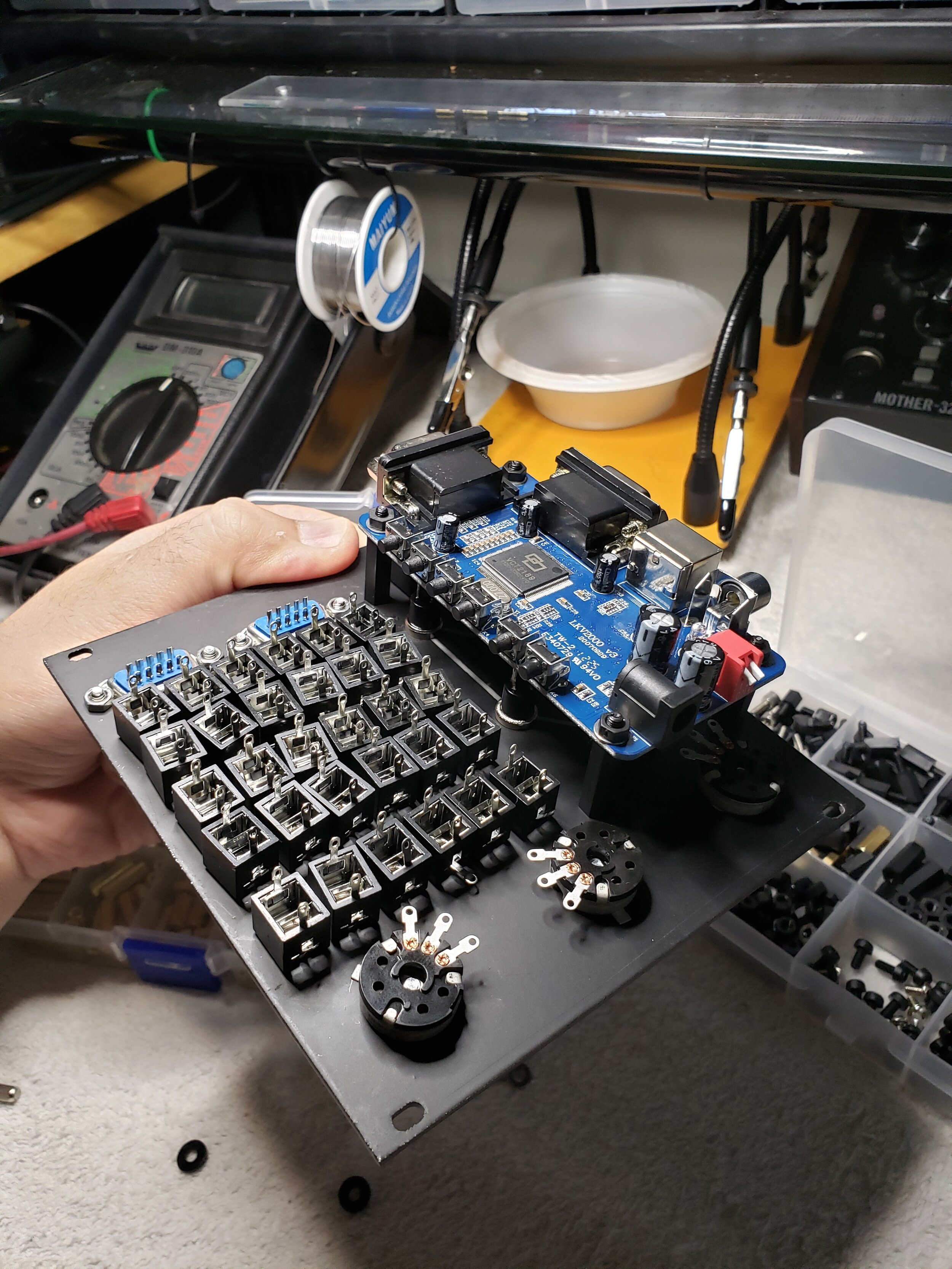
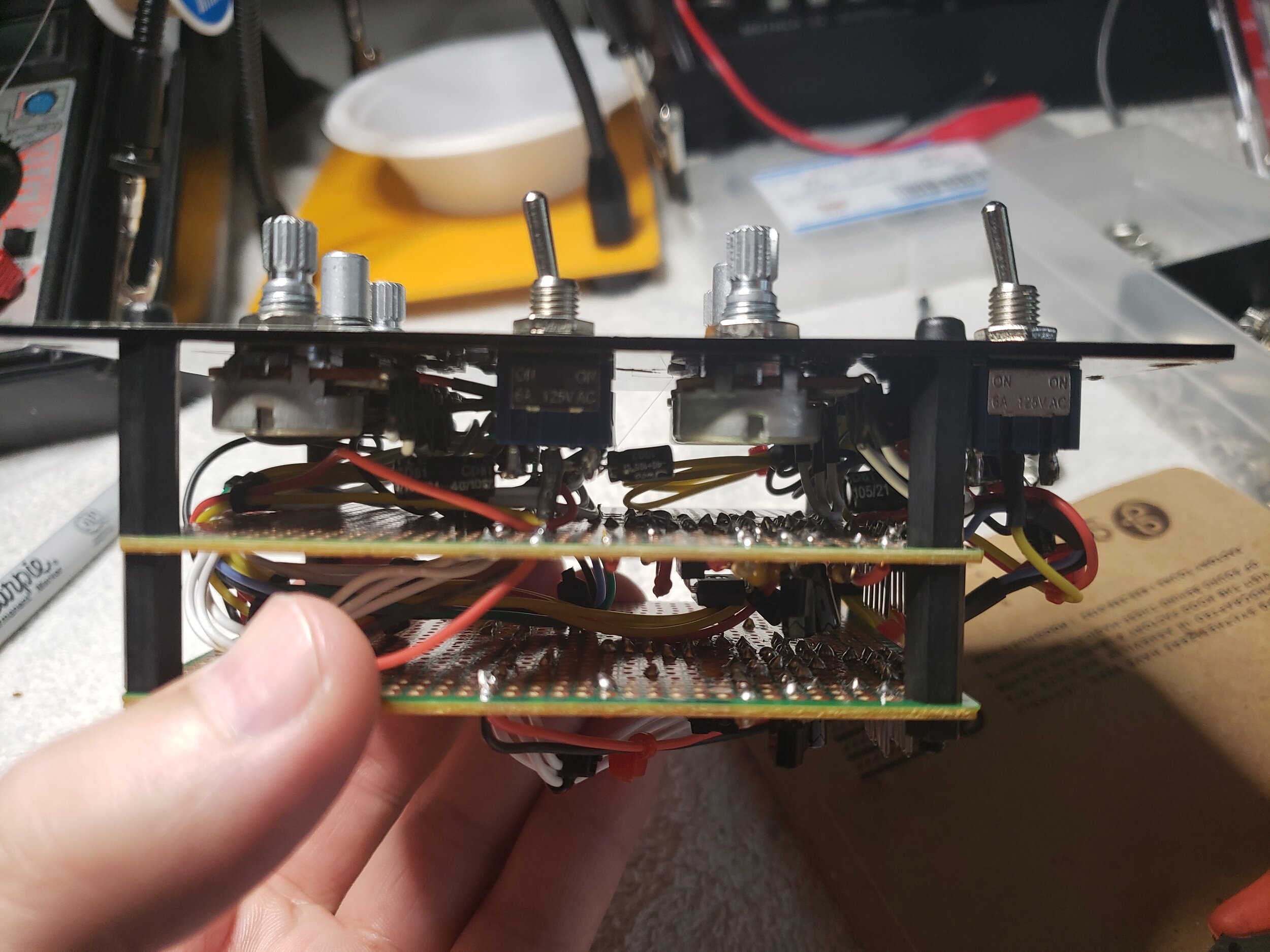
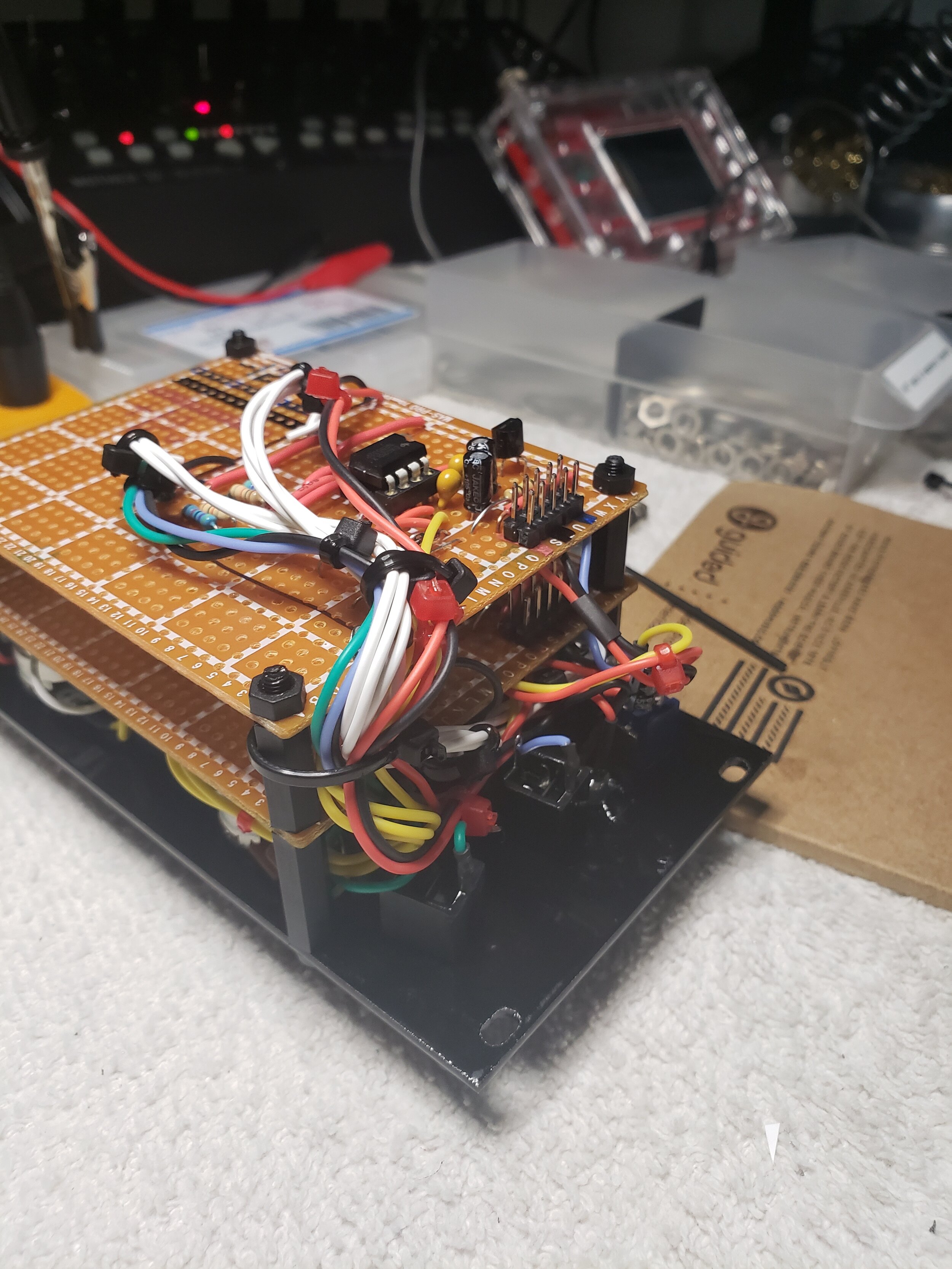
The I.F.D., or Industrial Feedback Device, is an audiovisual synthesizer based around a no-input video feedback loop, video RAM and buffer manipulations, simple oscillator functionality, audio reactivity and sound generation, and CV implementation to allow easy integration into an existing modular ecosystem (esp. eurorack).

The I/O includes two composite video outputs, a VGA output, an external audio input (1/8” and 1/4”), and a standard 2.1mm barrel jack for a 5v power supply.

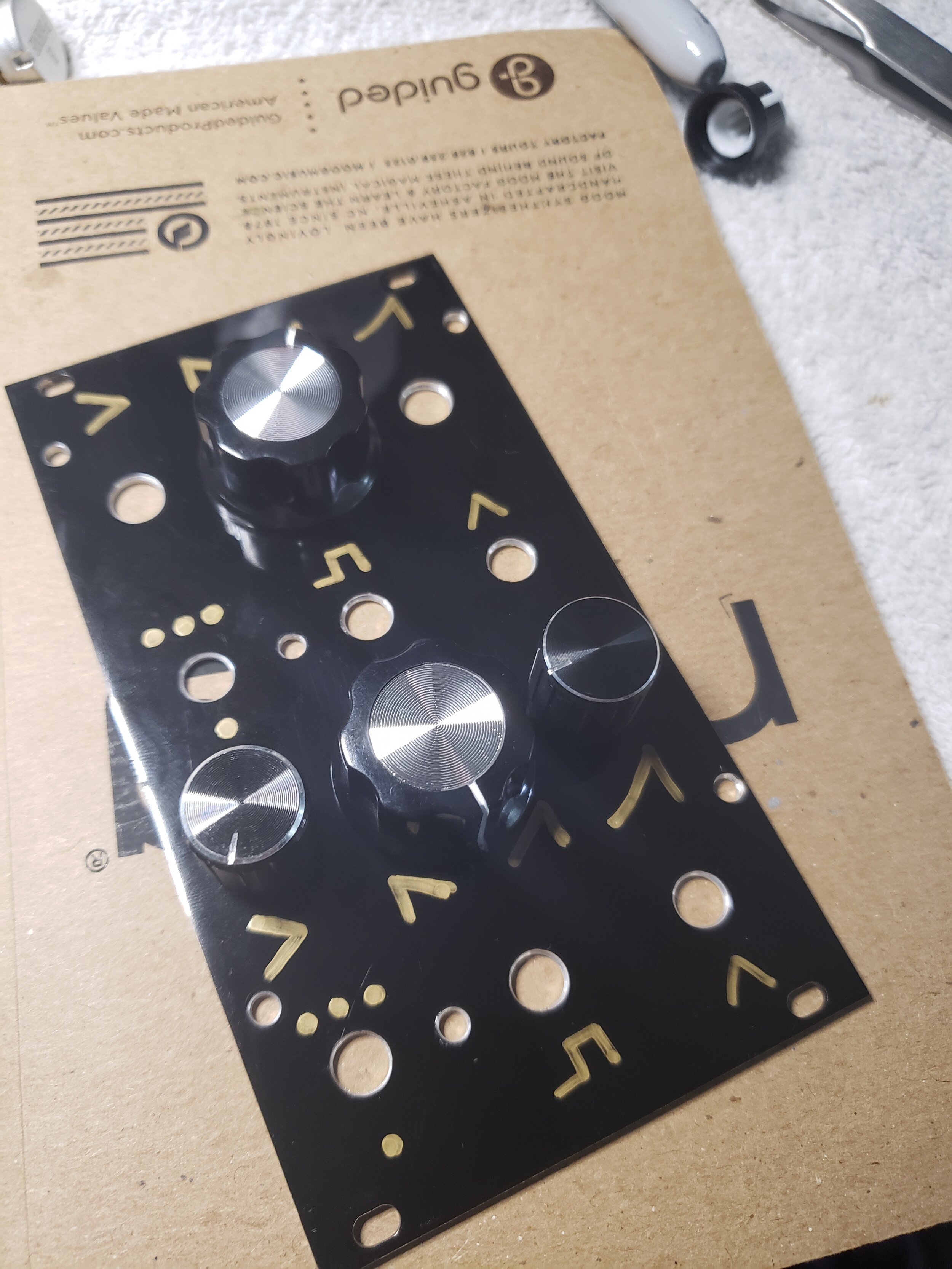
The originally beige enclosure was painted with an industrial theme and intentionally weathered and the primary aluminum control panel was given a circular brushed look to fit the theme.

Making a more colorful oscilloscope // Modified CRT Television, DIY X-Y scope with video input

New device page with a full video here!

Via the crt scope page:

This is a variation on a fairly common build where audio is piped directly into the horizontal and vertical portions of the deflection yoke inside of a CRT Television. The additional features this one has are two internal audio amplifiers (very basic LM386 circuits), the ability to run audio to the TVs internal speaker (with adjustable volume), and the ability to send color video signals to the TV to “color” the waveform which I go over in the video here on this page.

This build can be replicated extremely easily - without the internal amplification circuit - and also made to run in different modes for a more standard horizontal wave display. Plenty of information on that can be found online with a little searching, but I’ve included the schematics for this particular build here.

If you do plan on recreating this thing for yourself BE CAREFUL. There are elements inside of CRT Televisions that hold enough charge to KILL YOU. Do not attempt if you are unfamiliar with electronics, and do your research beforehand on how to properly discharge the device and how to safety deal with this sort of device.

November, 2020.

Premiering two audiovisual pieces @ Lightbox NYC, part of the Creative Code Art festival on the 12th through the 15th

Super excited to be a part of this event coming up on November 12 - 15th. I’ve got two pieces being debuted, “Ablation Cutie” and “Aurora (Migration)” this Thursday, the 12th between 8pm and 9pm.

Those in NY can come to the festival at Lightbox in Manhattan, and those outside of NY can take part virtually in Sansar & watch the pieces streamed on Twitch!

Tickets here

Facebook and Mixily Cover_00102.png

Drip // A sketch with the in-progress Gleix Video Modular

Via youtube description -

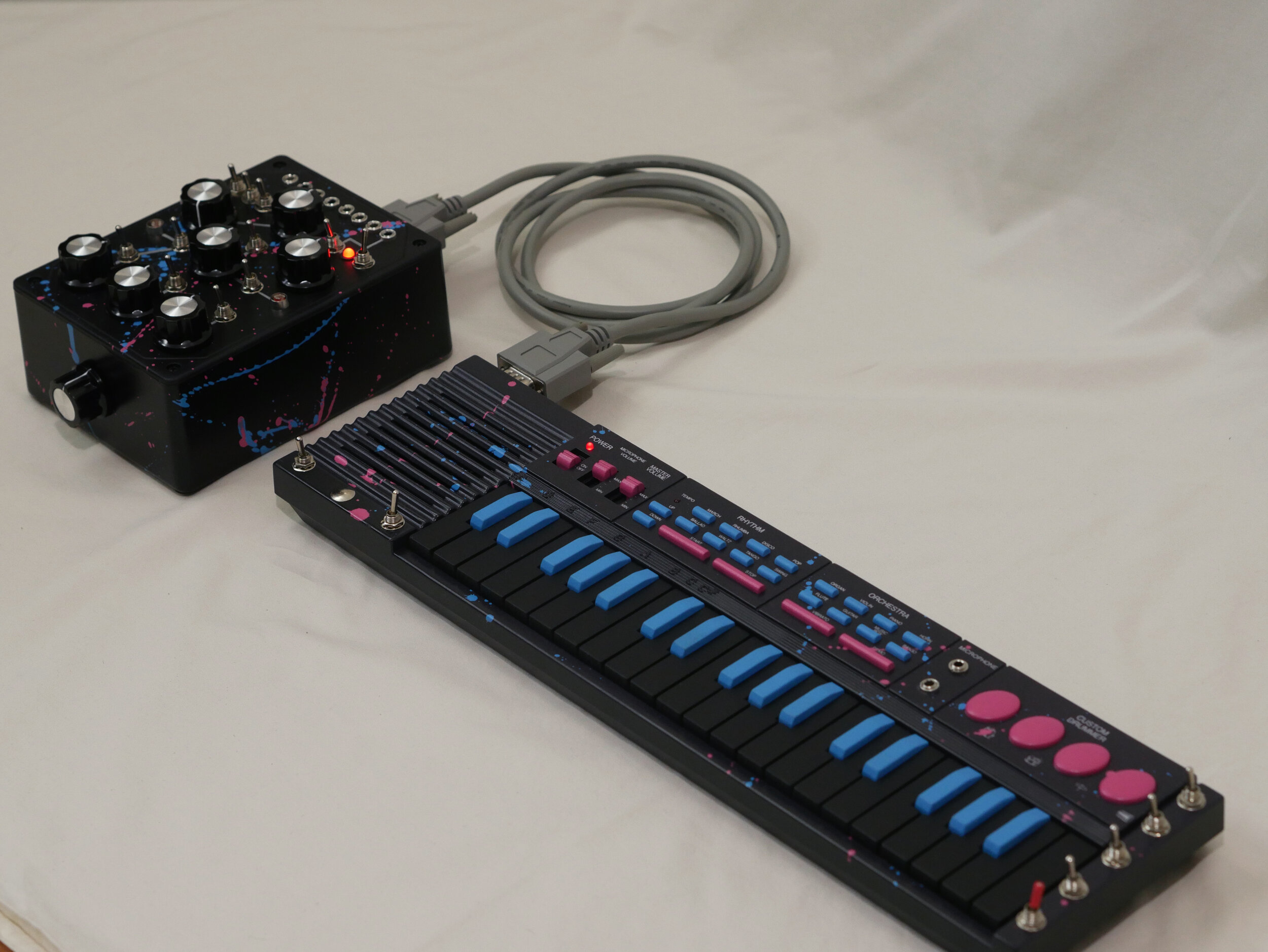
I've been quietly working on a DIY Modular Video Synthesizer. Here's a little sketch using the current working modules, a circuit bent Casio SK-1, and the Modbox 37. Lots to document on the modular! A lot has been done but I've not documented it just yet, hoping to get to that soon - more to come.
Casio SK-1 & MB37: http://gleix.net/modbox-37

Initial blogpost re: modular: http://gleix.net/updates/2020/9/25/beginning-the-gleix-video-modular

Footage from my installation @ The Cityfox Experience Halloween 2019

Put together some footage of my install at last years Cityfox Halloween festival.

gleix.net/installandav

Around this time last year I was given the opportunity to put together a themed composition with synchronized lighting for the "Lobby of the Lost" at the Cityfox Experience Halloween Festival at Avant Gardner here in Brooklyn.

The 30 minute piece moves through a series of dark atmospheres, anxiety driven percussive moments, ambient textures and (given the room's theme) some eerie circus-type melodies. The music is accompanied by a collection of sequenced strobe lights, chandeliers, wash lights, and glowing gowns that surround the room.

Both the music and the lighting sequence were written in Image-Line’s FL Studio. The lighting sequence, written in a series of 14-bit MIDI triggers and automation envelopes next to the music, is sent in real-time via a loopback into Derivative Touchdesigner where the data is processed and sent out as DMX values to each of the fixtures. A simple previz system was also built within Touchdesigner to visualize the lighting data during the sequencing process.

It was an absolute highlight of my year getting to dive into such a unique project and see it all come together. To everyone at the venue who helped in any way, Billy for the opportunity, and those who came by to check out what I went nuts working on for a couple weeks, thank you. Hope to do something like this again some day 🎃 Happy Halloween!

https://www.gleix.net https://www.instagram.com/gleix

Thank you to https://www.brendanzoltowski.com for helping capture footage during the event.

#cityfox #halloween #installation #synchronizedlighting #touchdesigner #flstudio

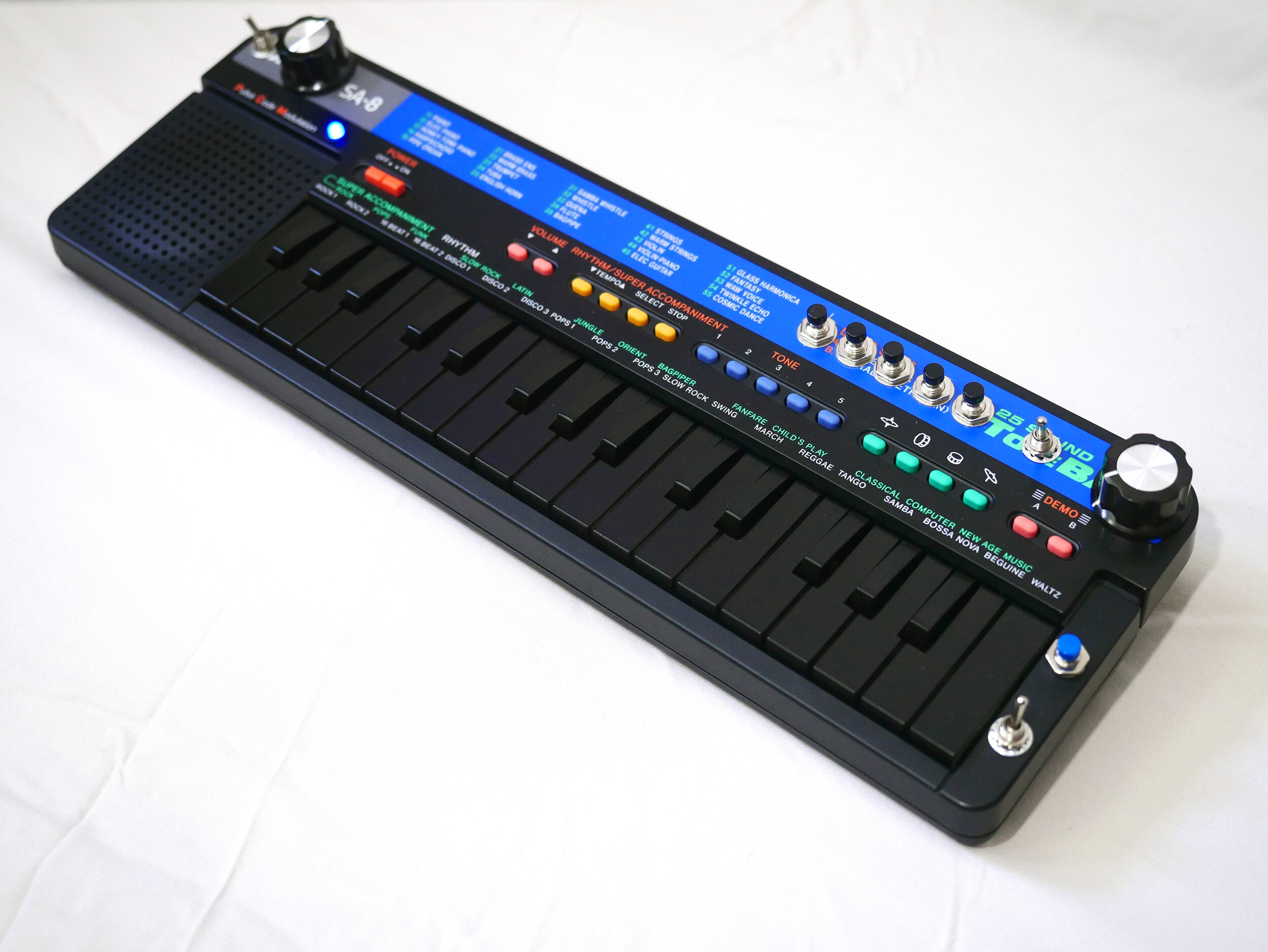
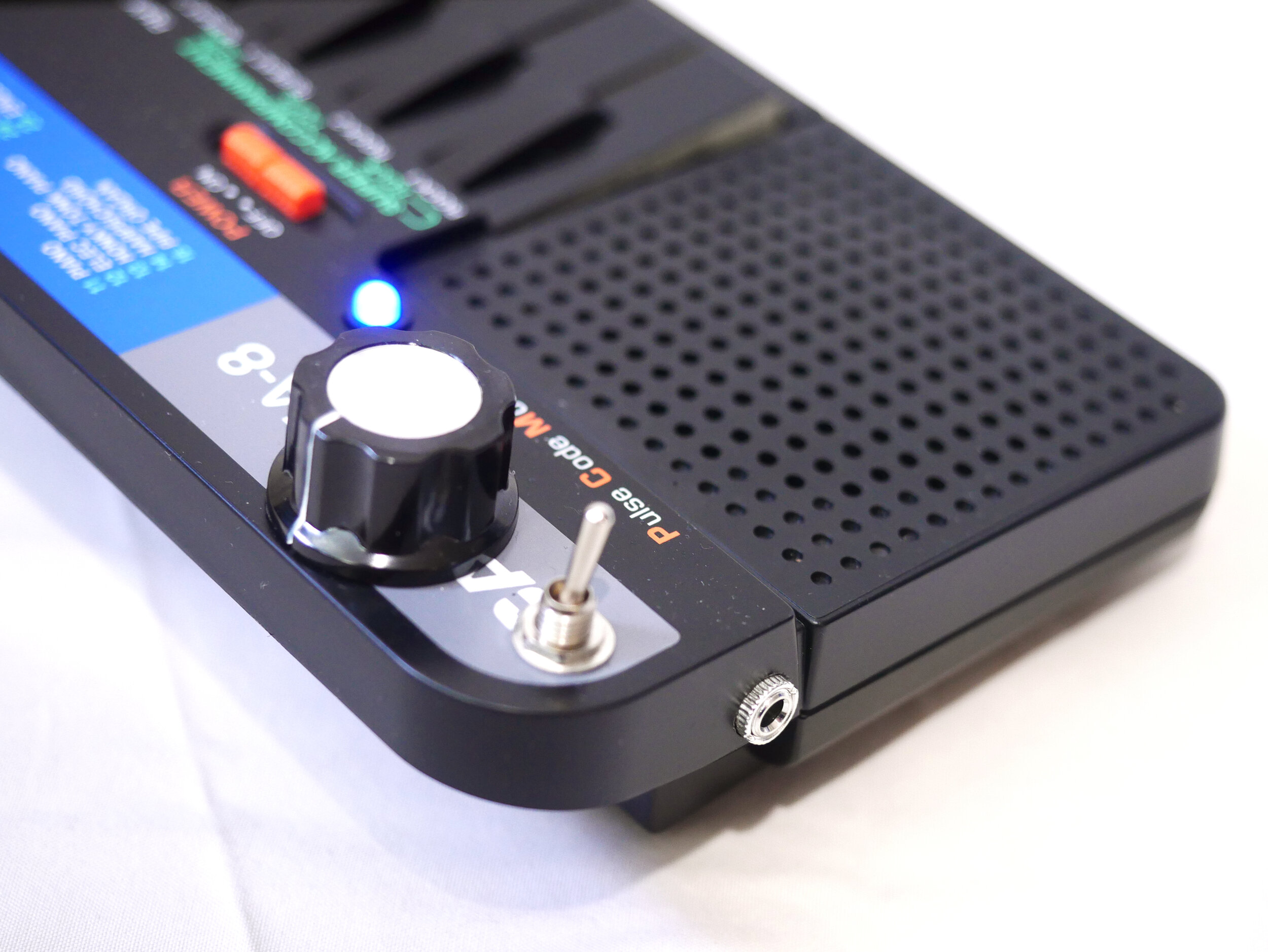
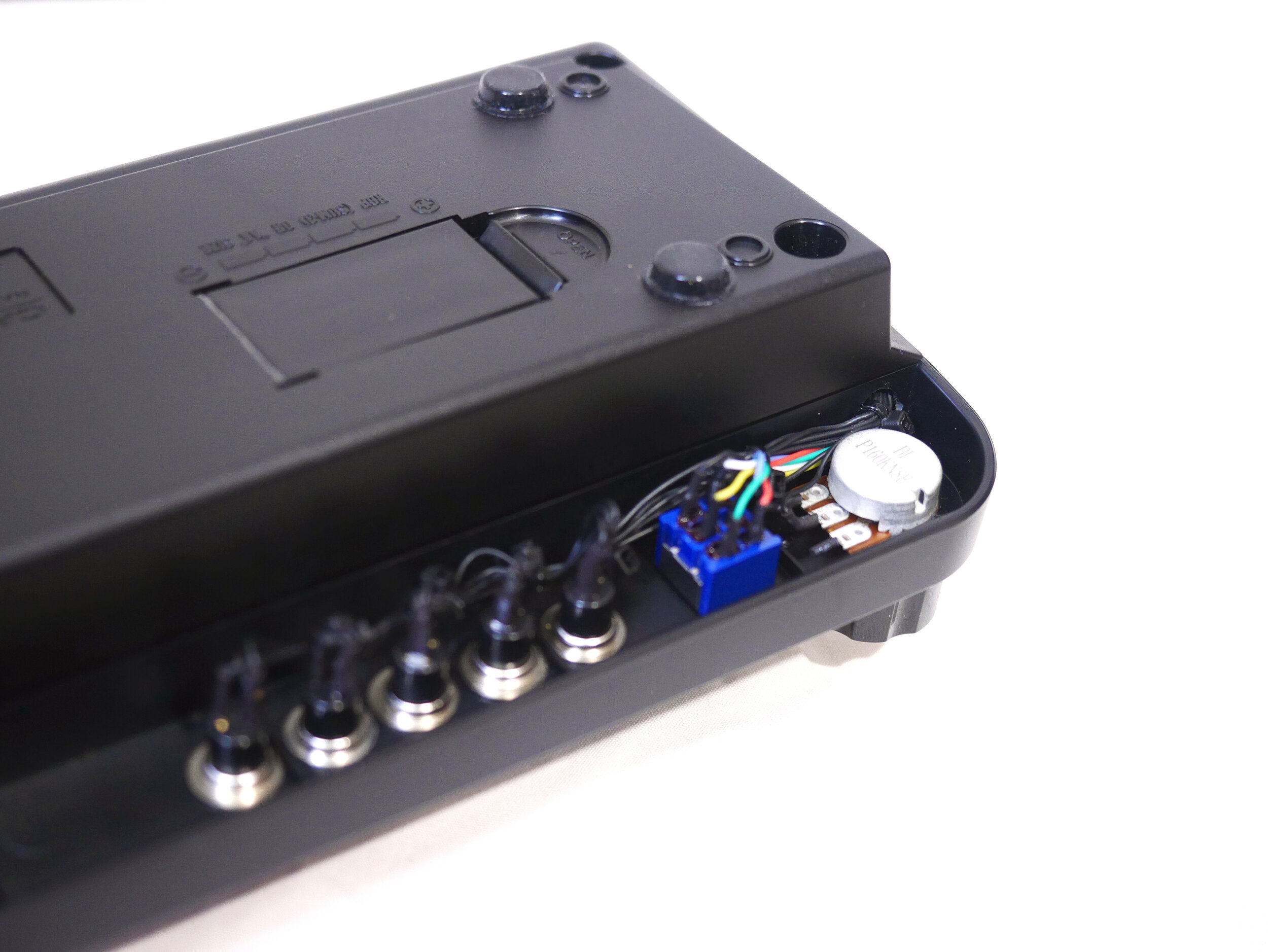
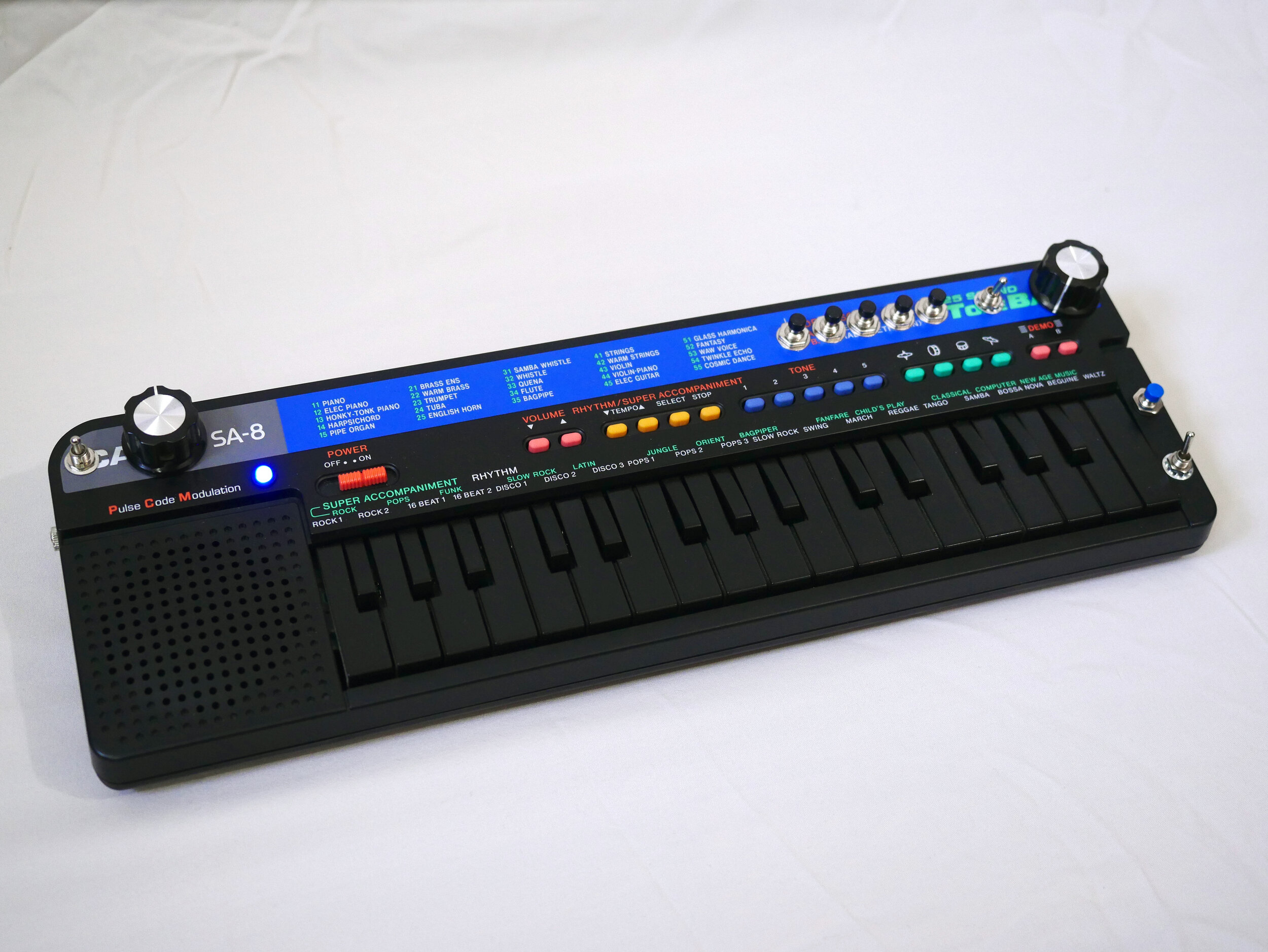
New build: Circuit bent Casio SA-8

Model No. GSA8-03

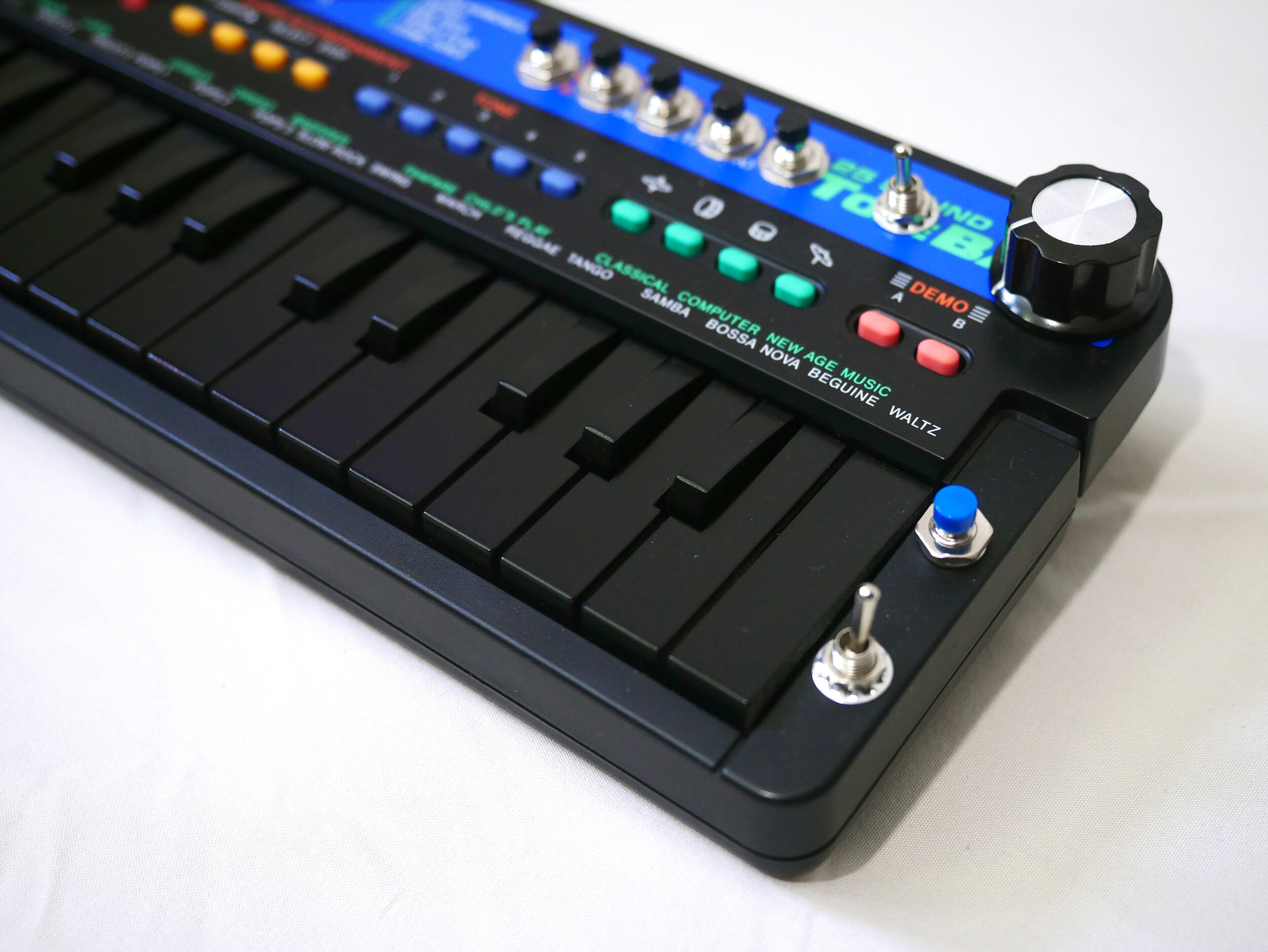
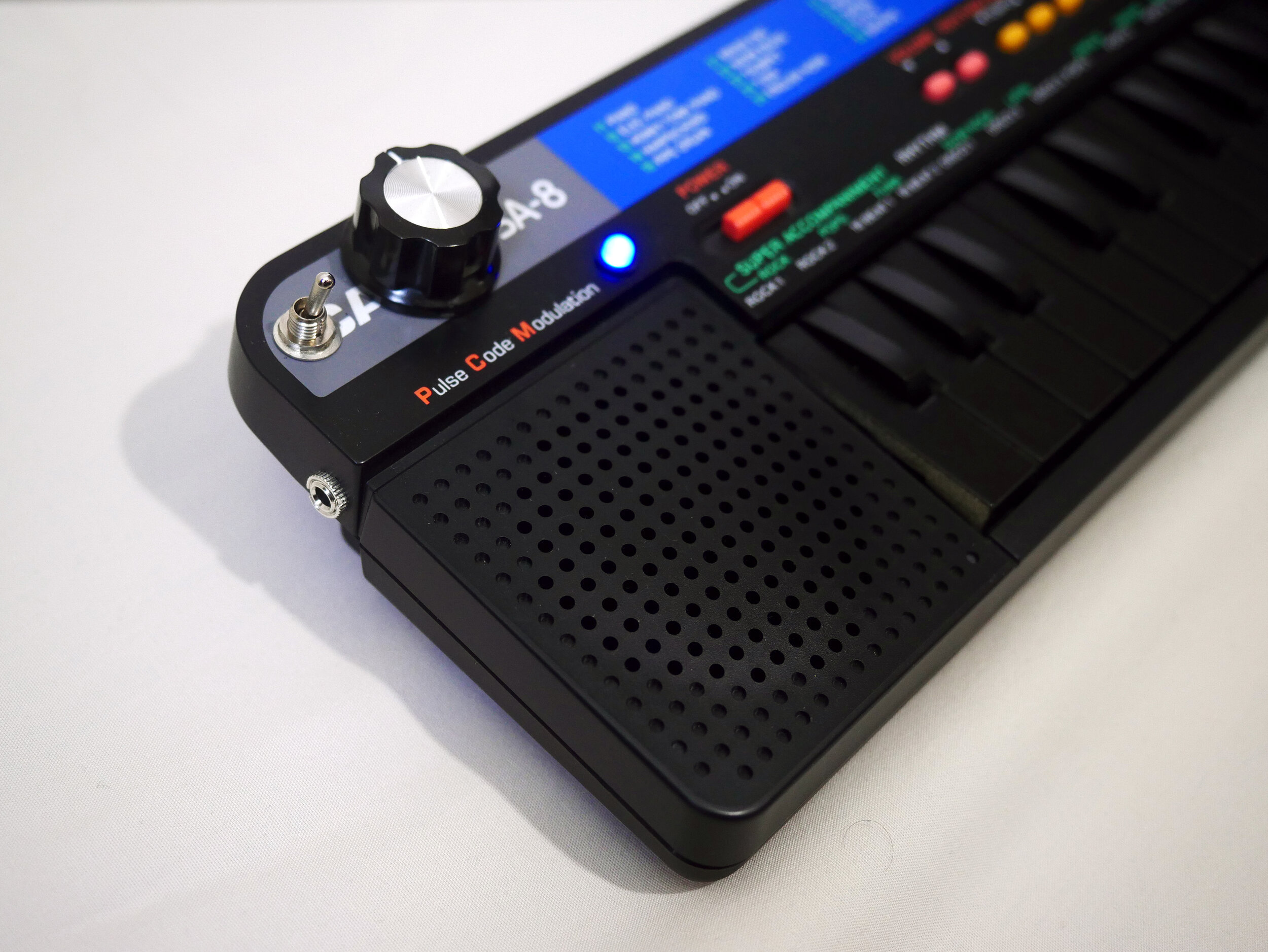
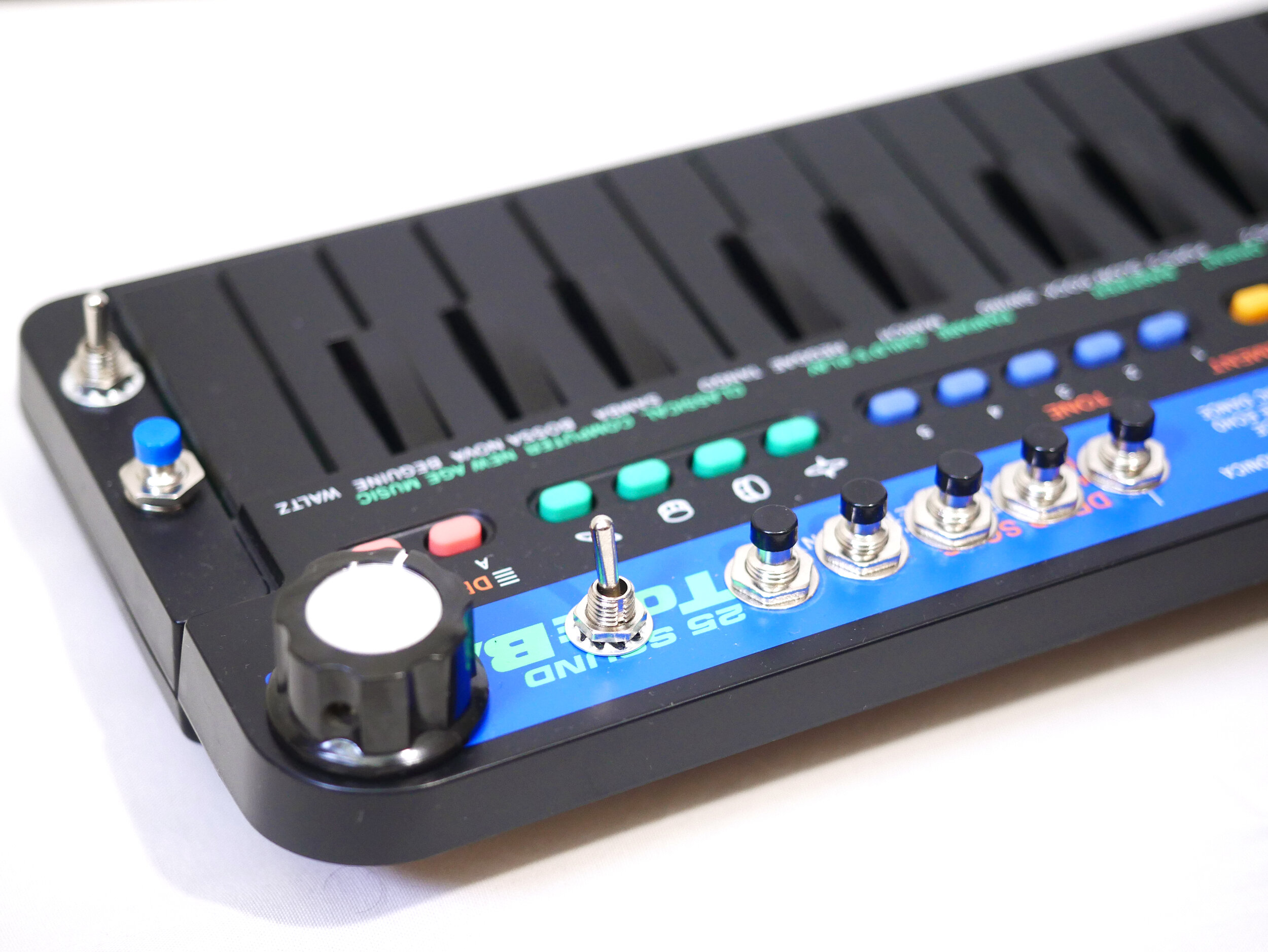
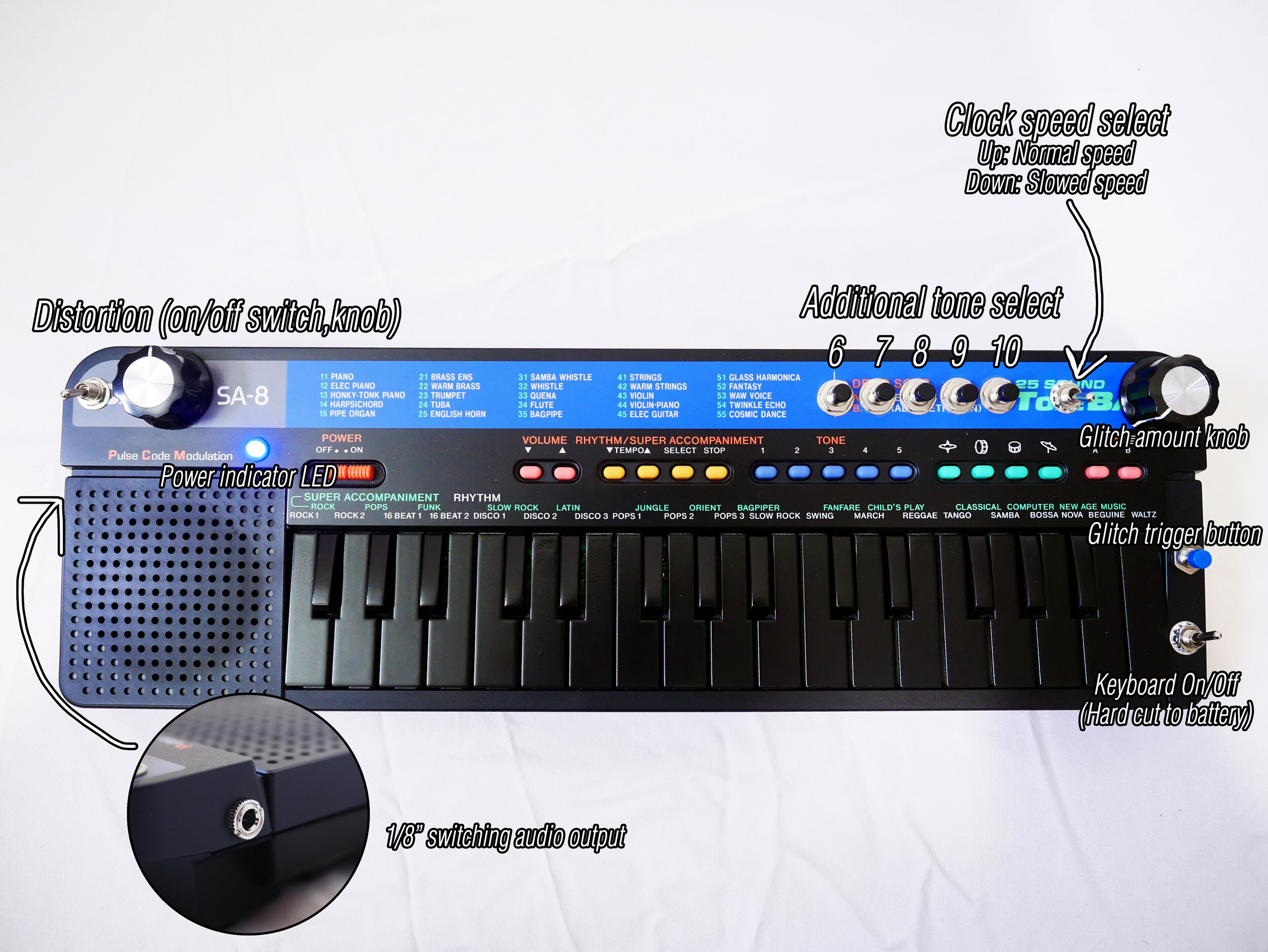
A commissioned circuit bent Casio SA-8 build.

  • Hard on/off switch

  • 1/8” switching audio output jack

  • Squealing feedback/distortion knob with on/off

  • Glitch trigger button with depth knob

  • Power indicator LED, lightly flashes to audio output

  • Five additional tone select buttons allowing access to an additional 75 voices

  • A switch for dropping the clock speed of the SA-8 allowing it to run in a much slower, pitched down mode

    October, 2020.

Via the Casio SA series page.
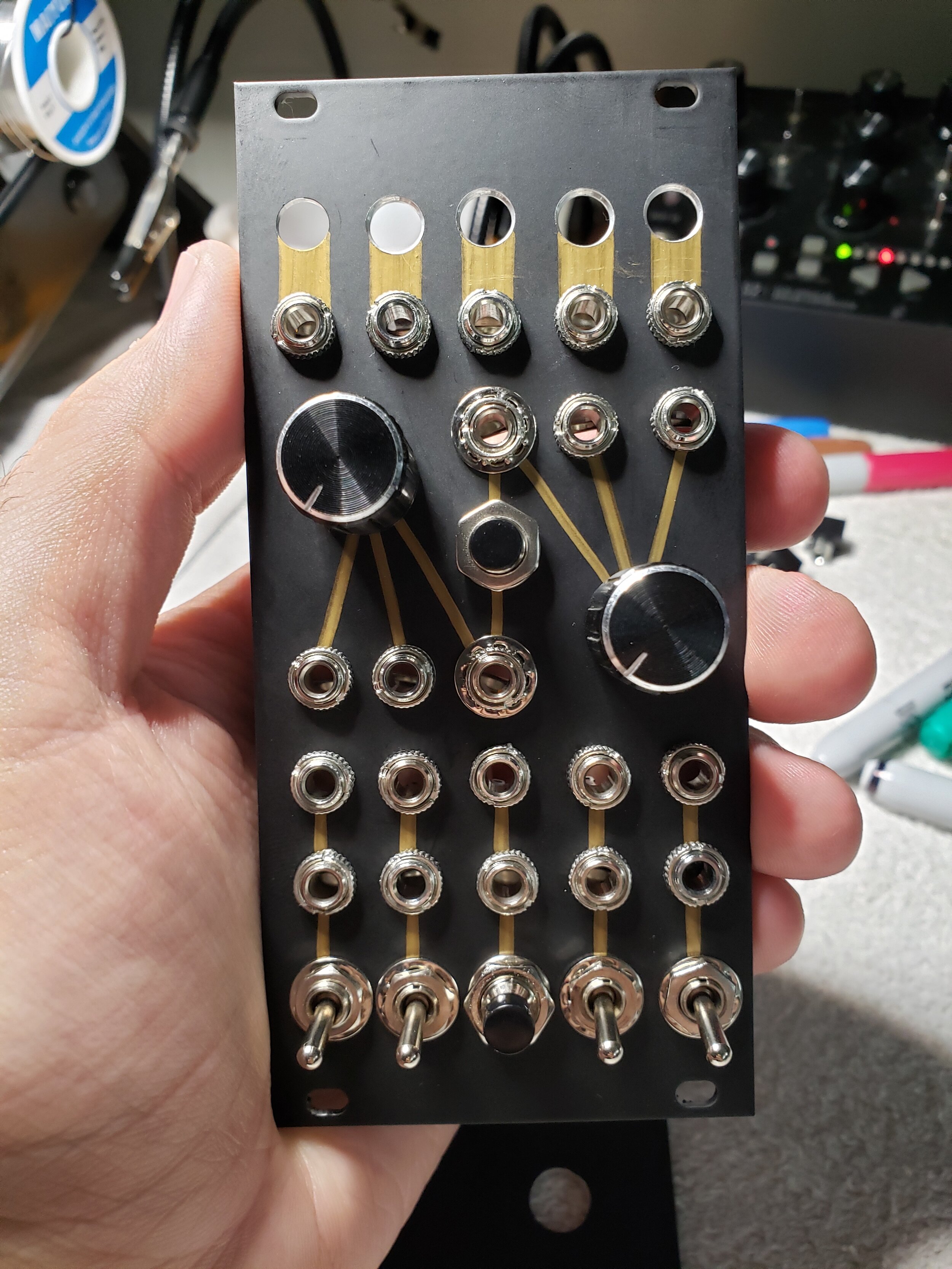
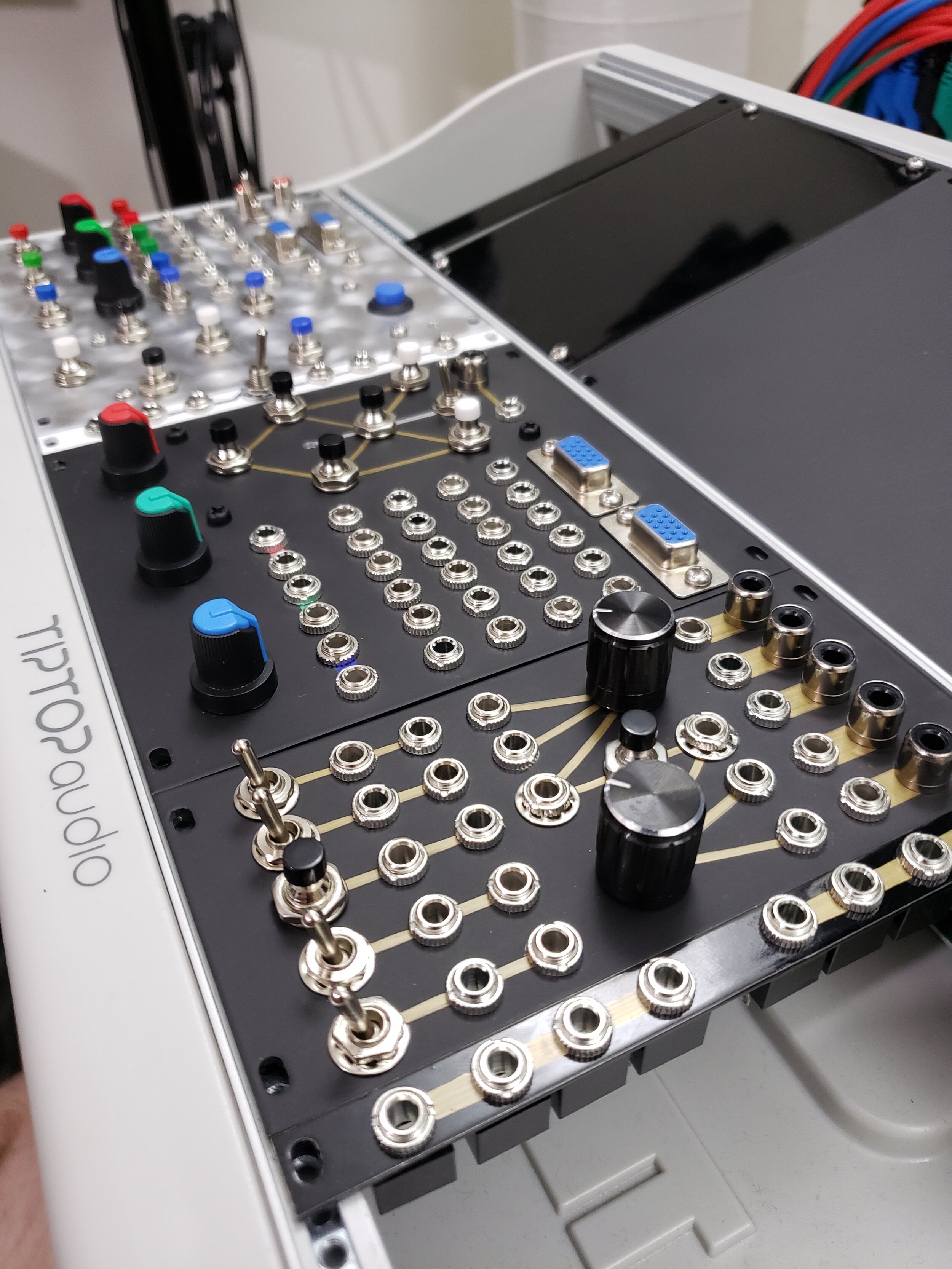
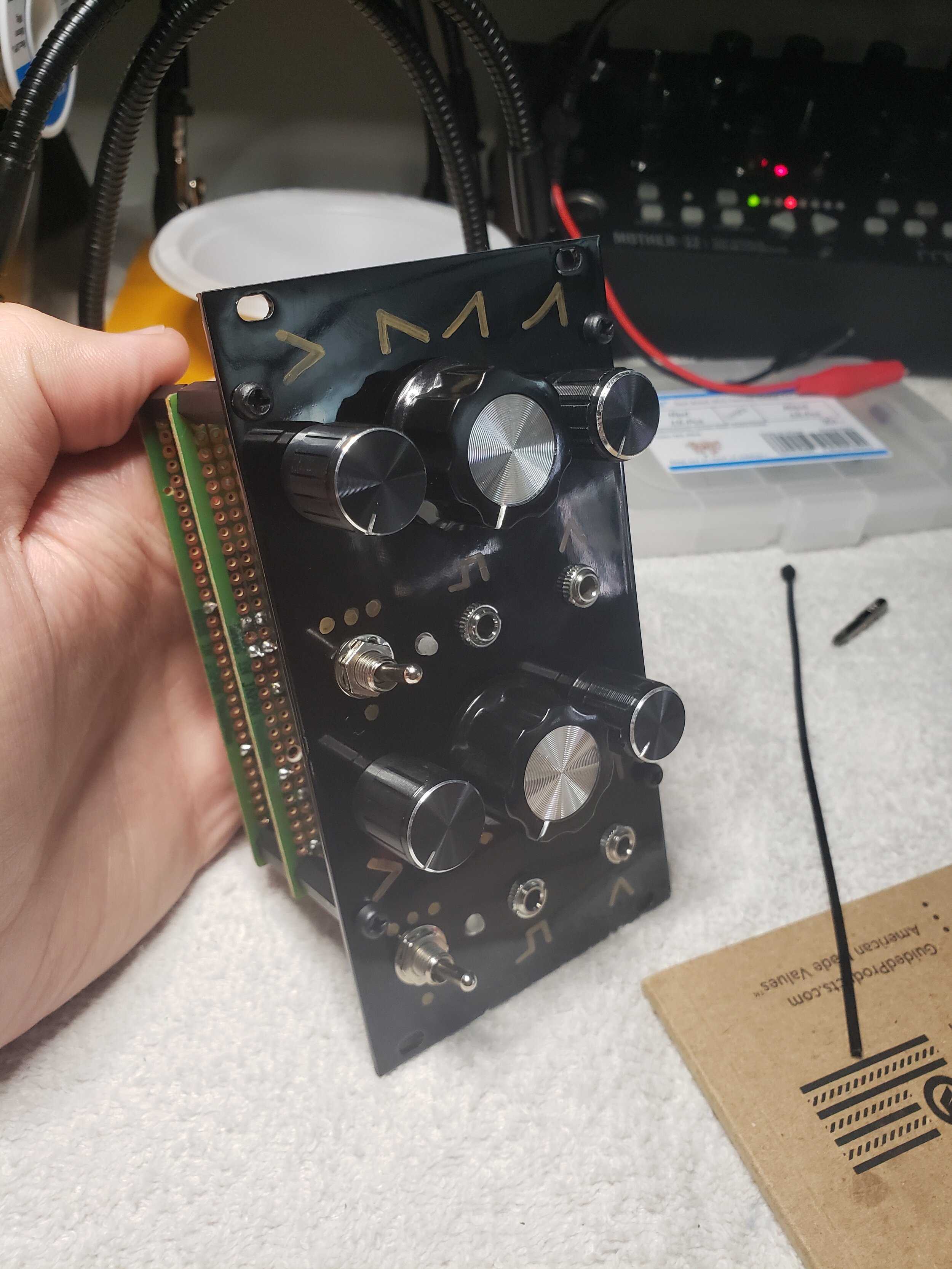
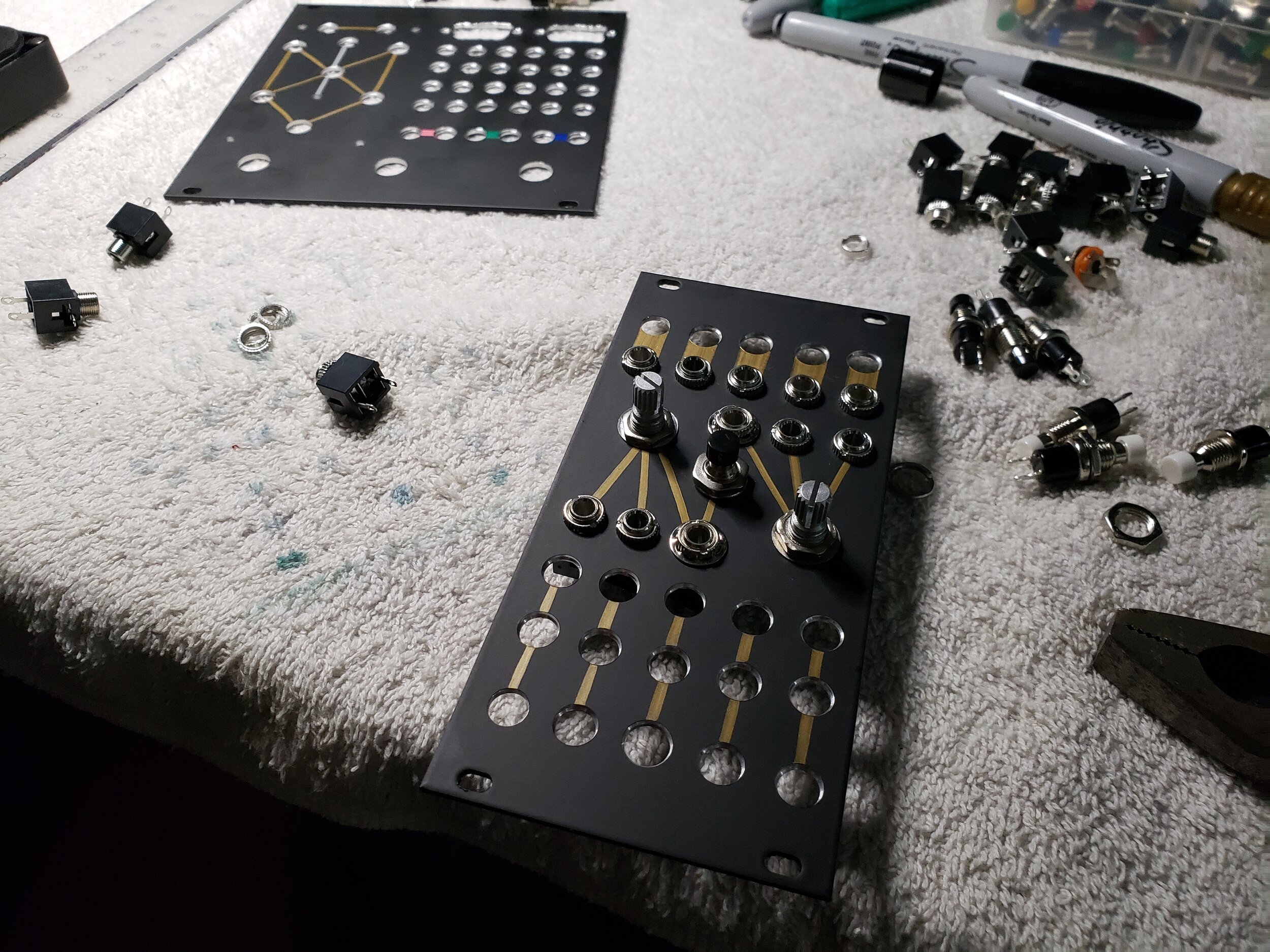
Beginning the Gleix Video Modular

After building the VGS-35, VGS-FB, and eventually the 100PFB, I realized that I wanted to do a more fully-formed video synthesizer for myself.
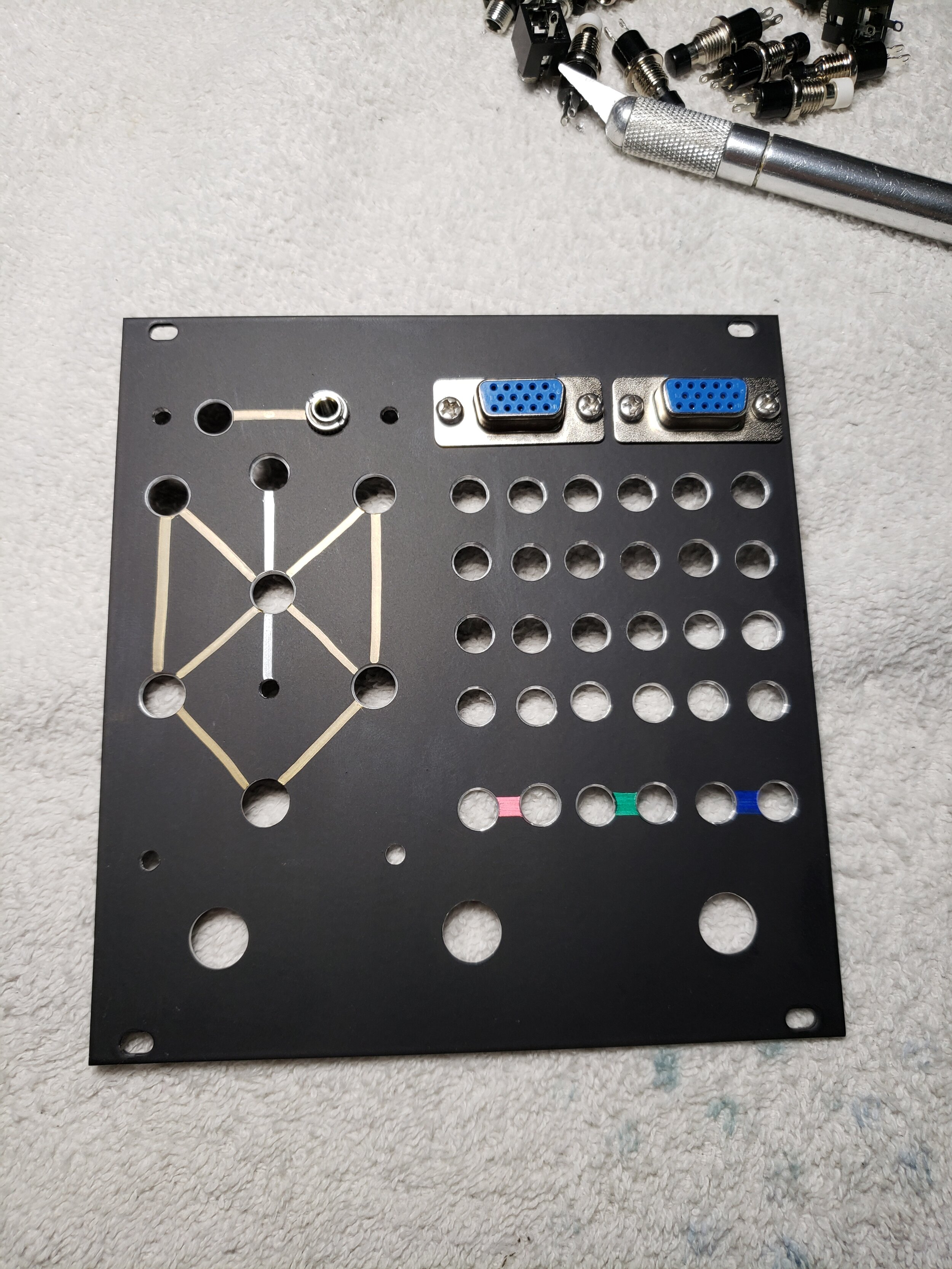
I went back and forth on layout designs, enclosures, what to include, how to include it, and ultimately realized that the project was continuously expanding in scope as I learned more and more. I was removing features based on the size of the enclosures I could find, and limiting the functionality as a result.

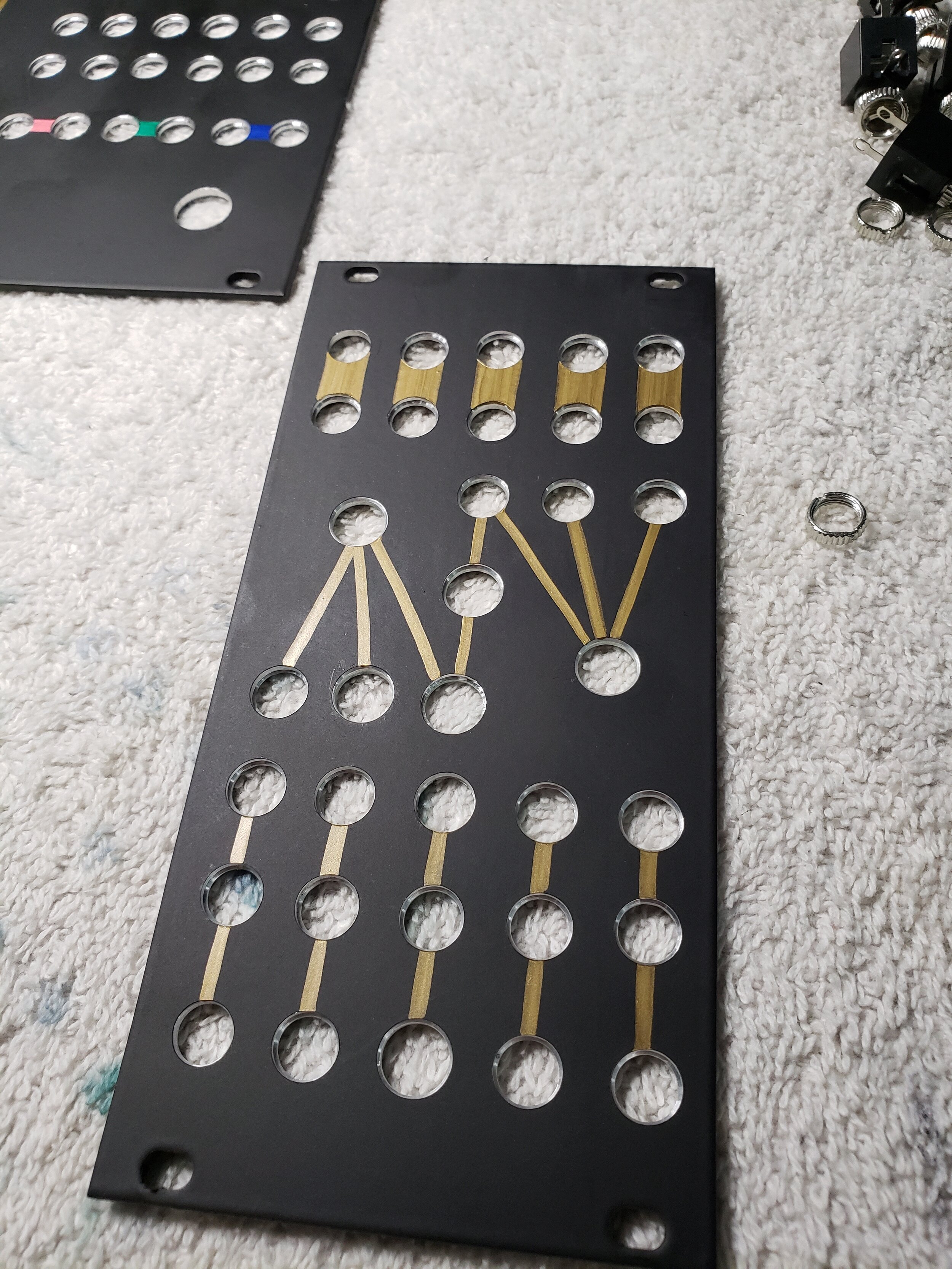
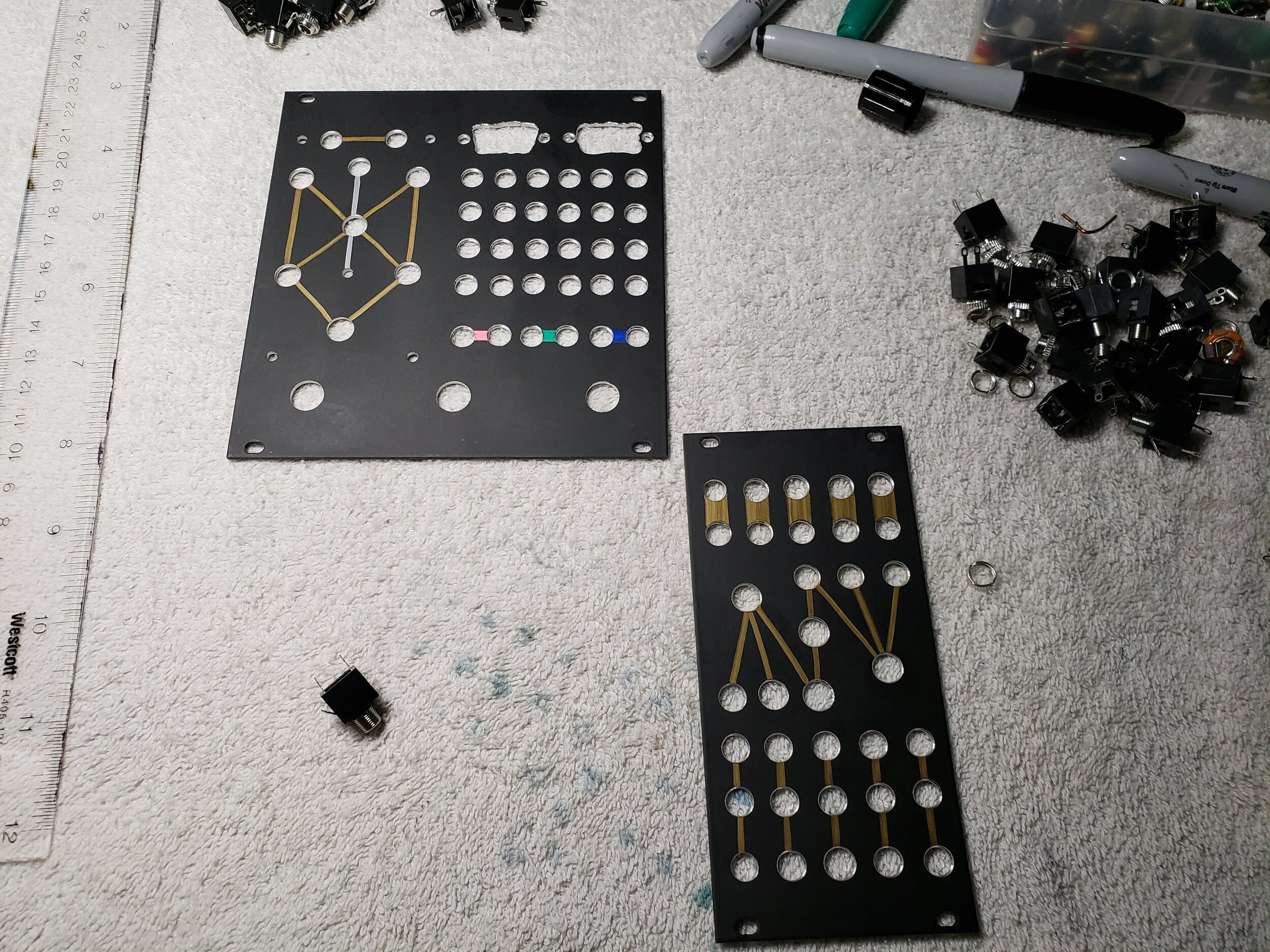
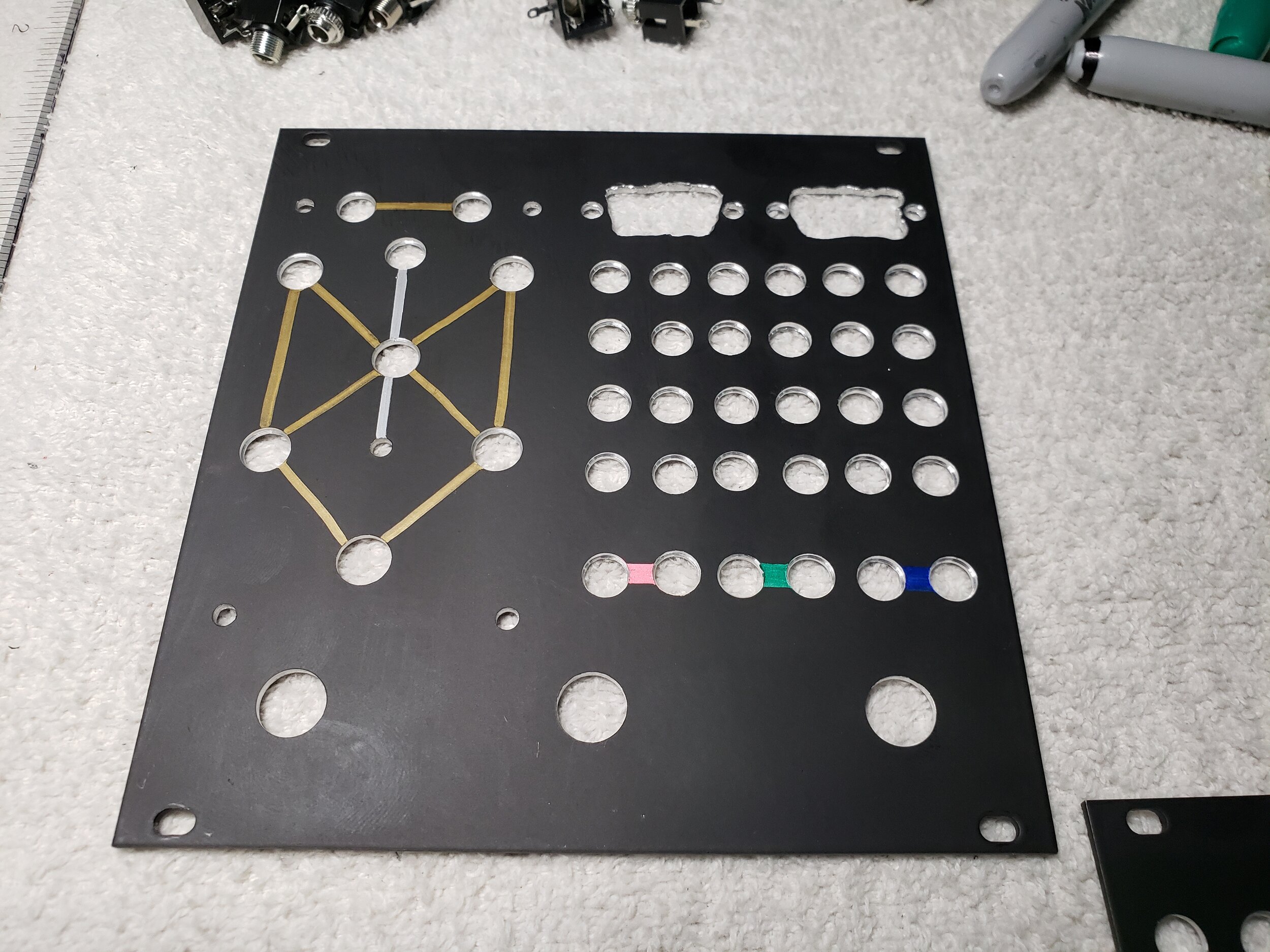
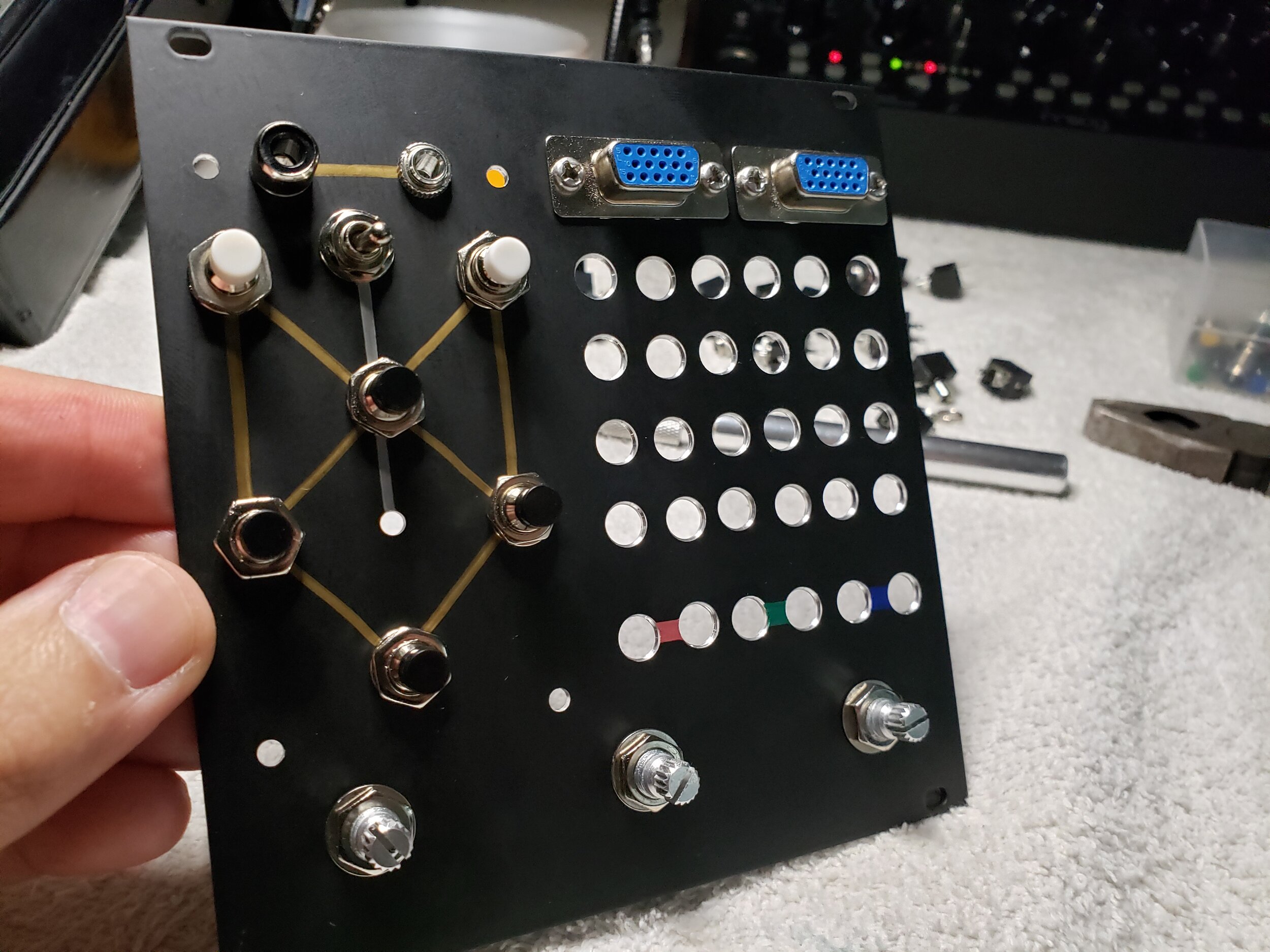
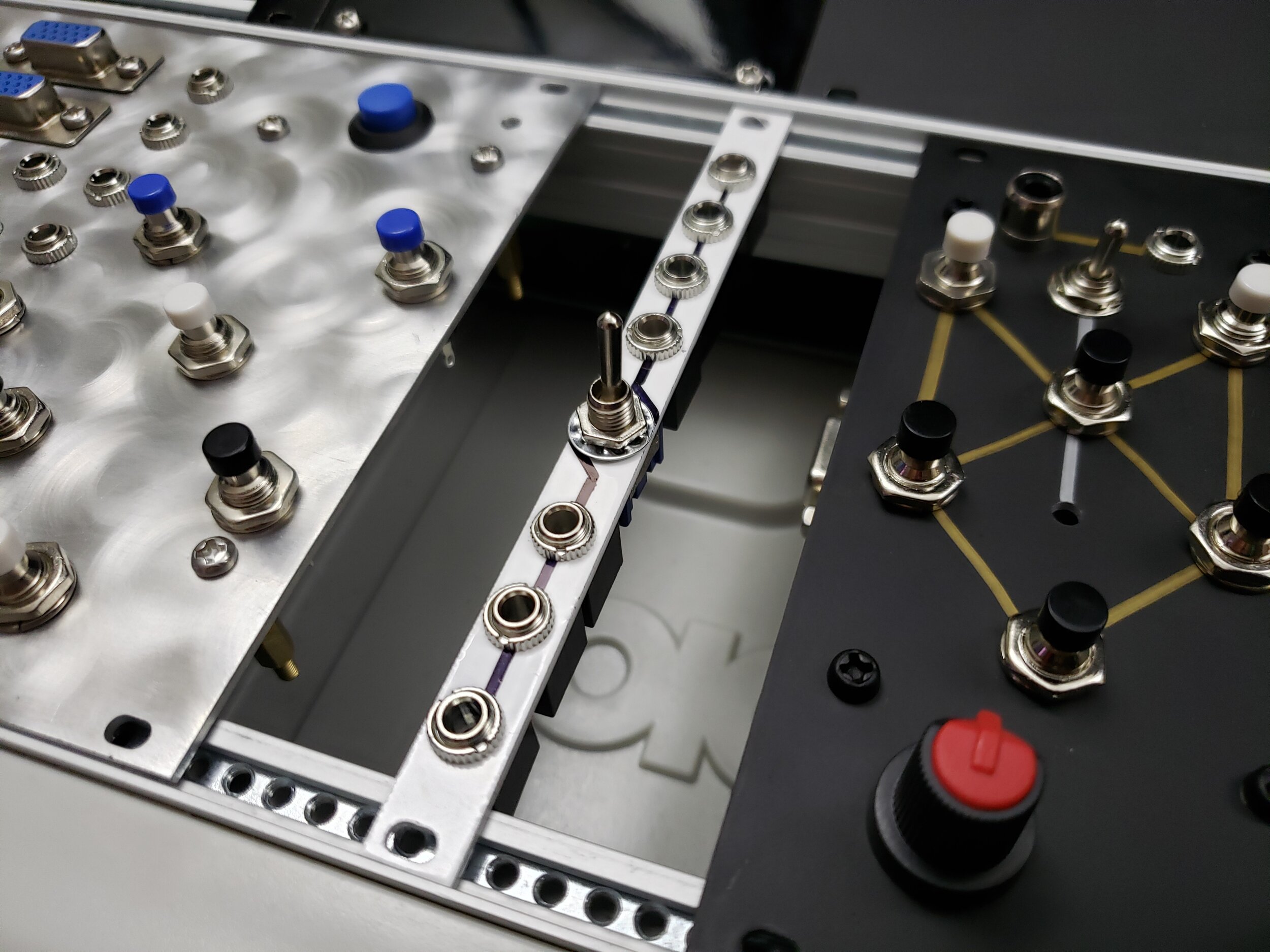
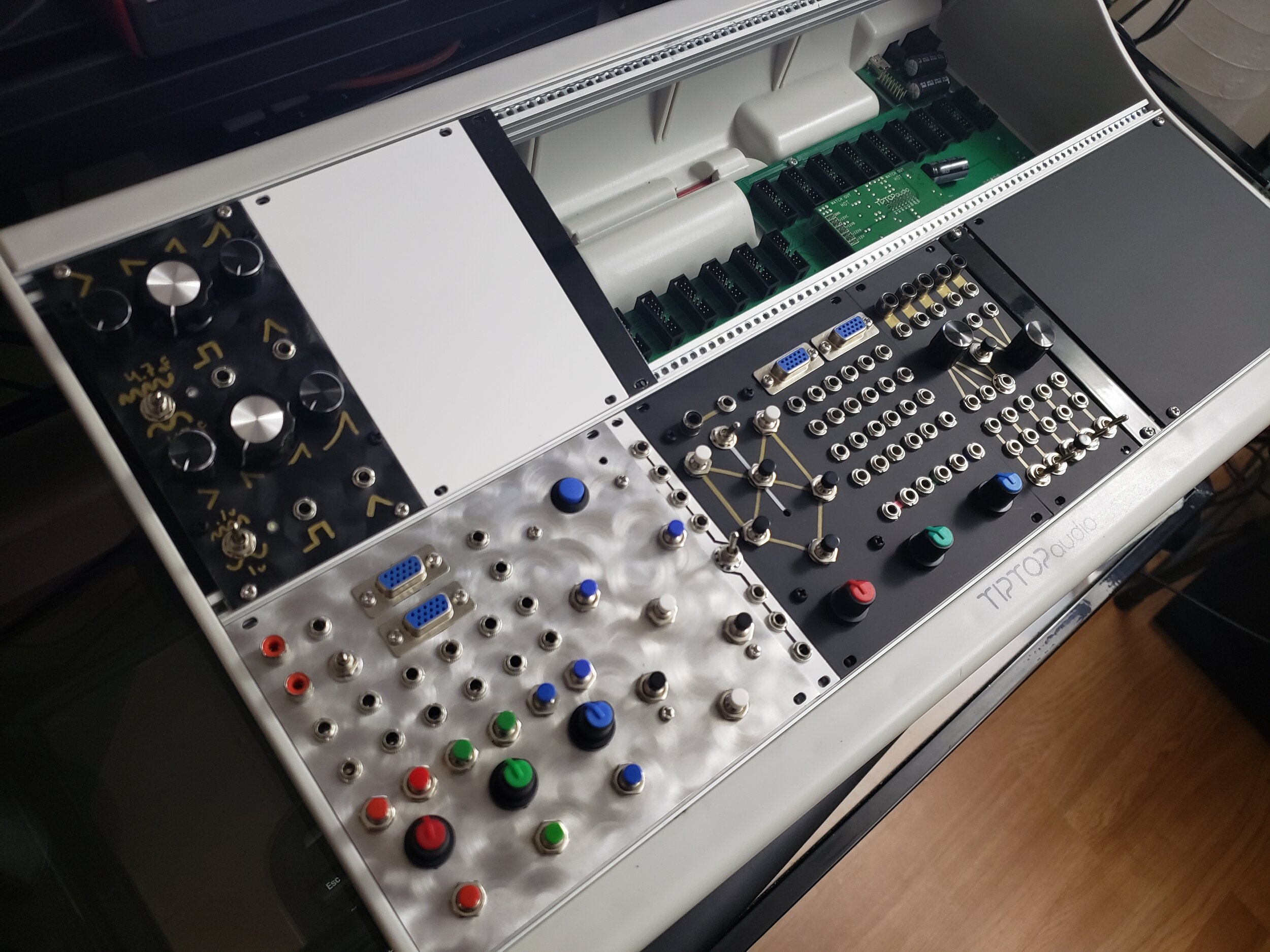
So, after realizing that I don’t want to limit myself, and I want to be able to expand my video synth as I continue to learn, I’ve decided to go the modular route.

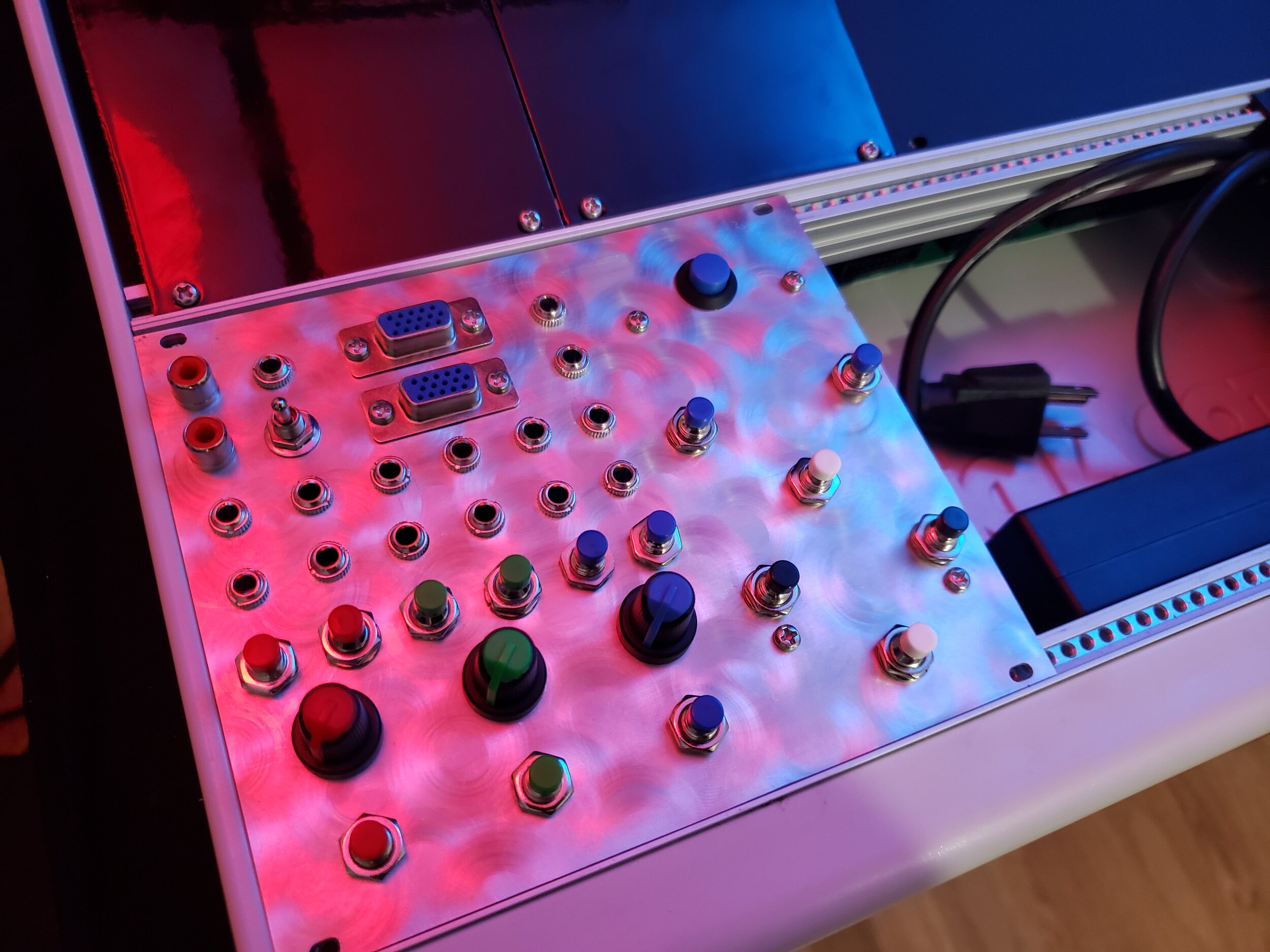
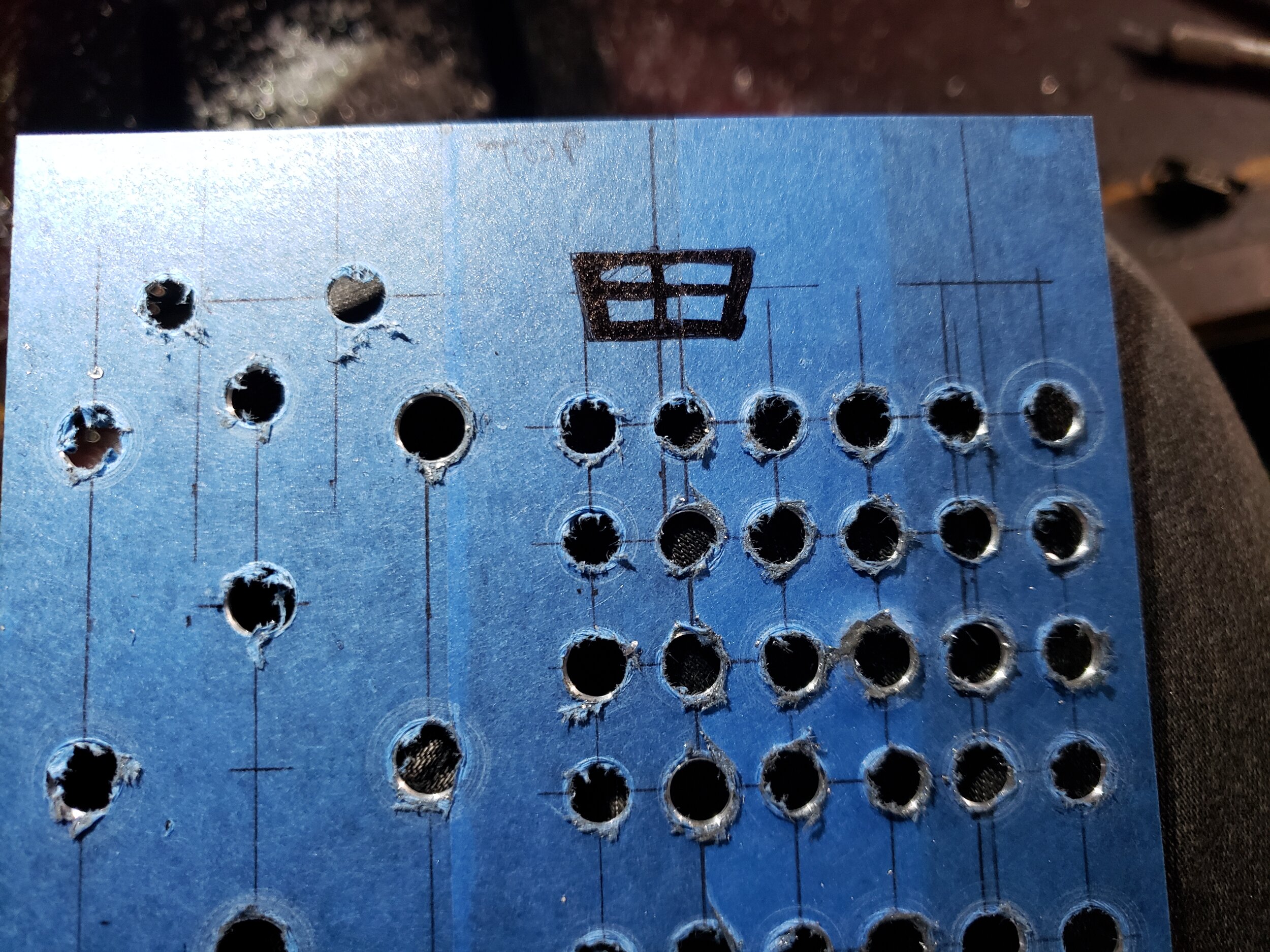
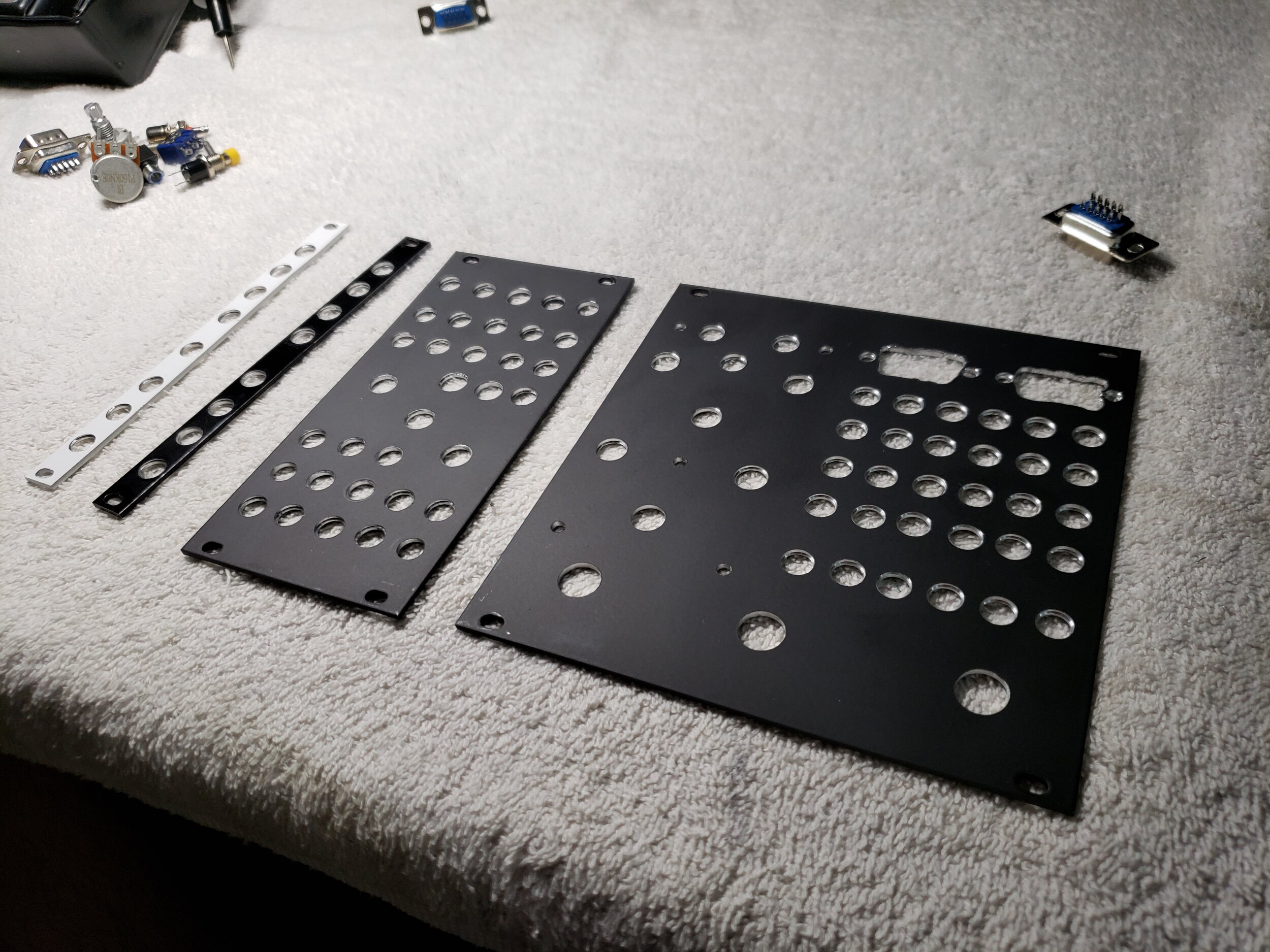
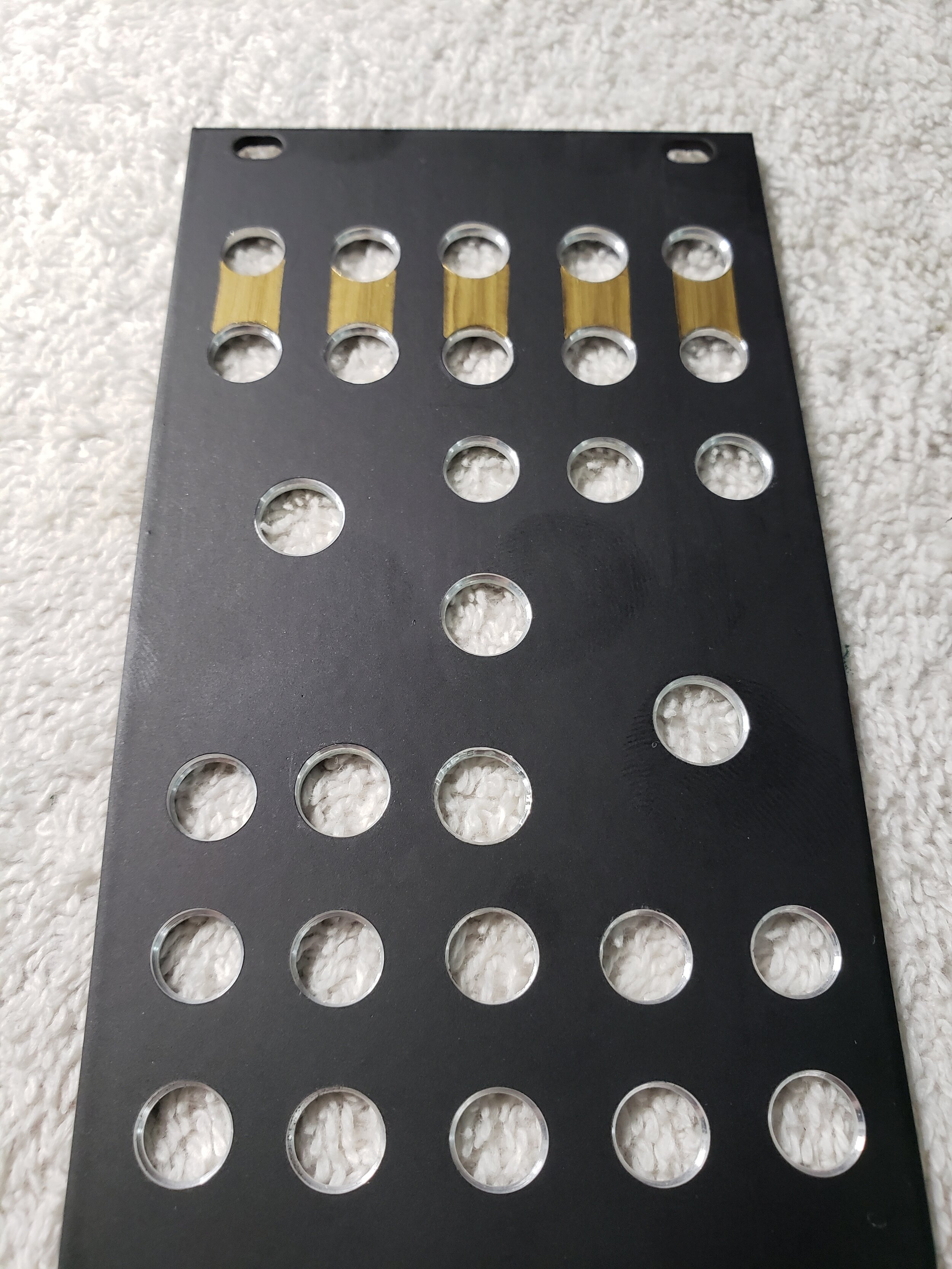
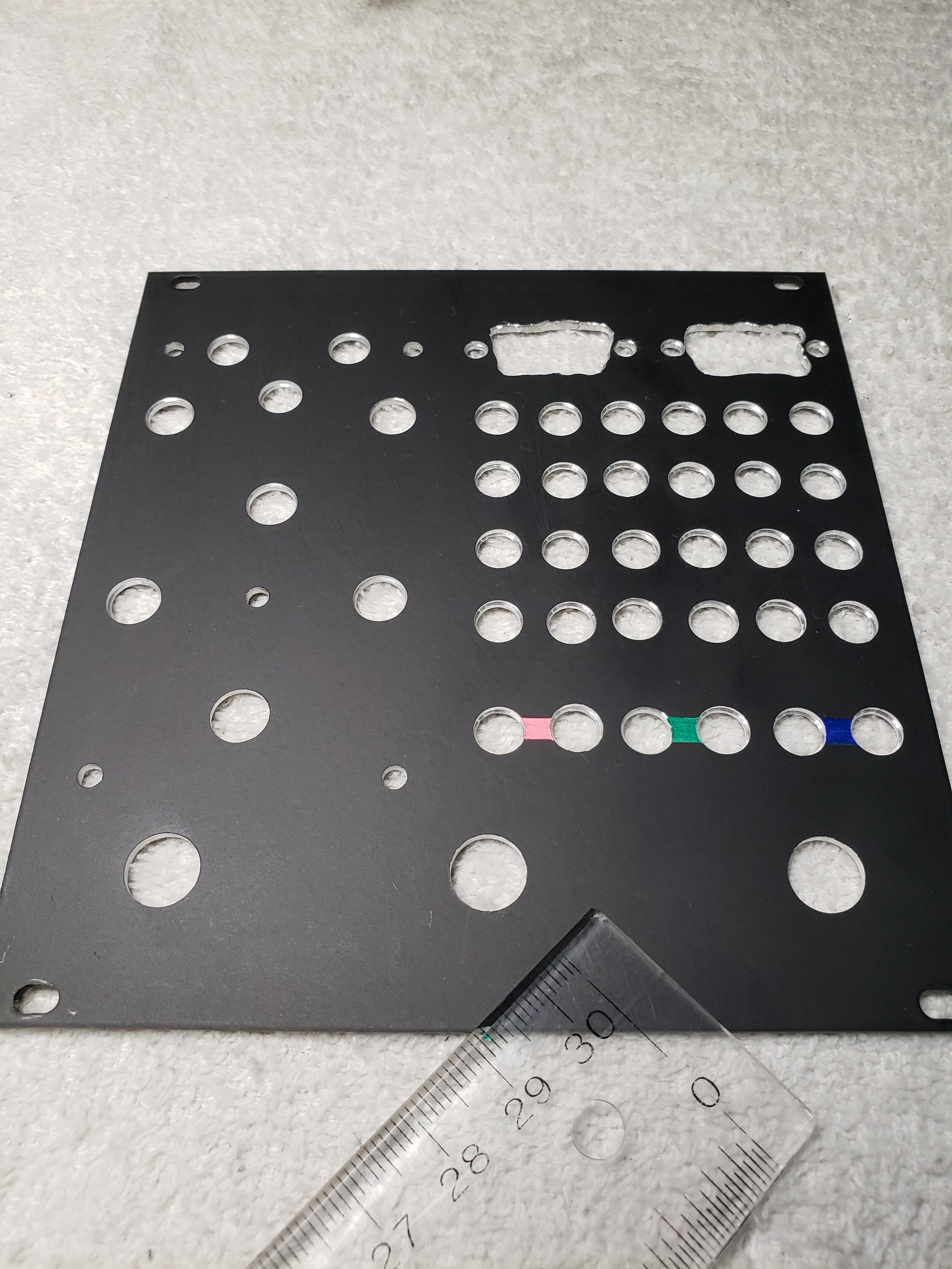
modular layout ideas v5-01.png

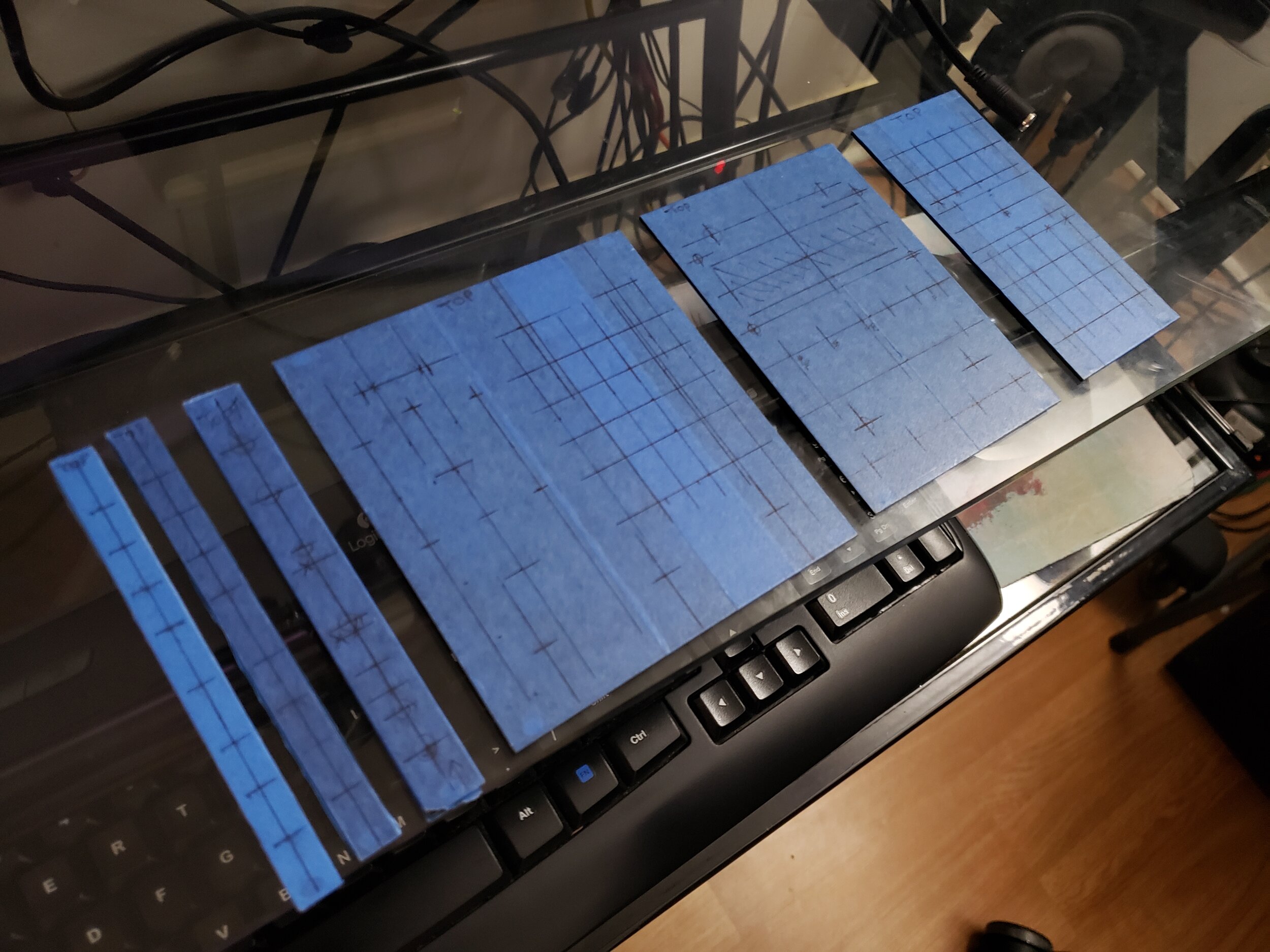
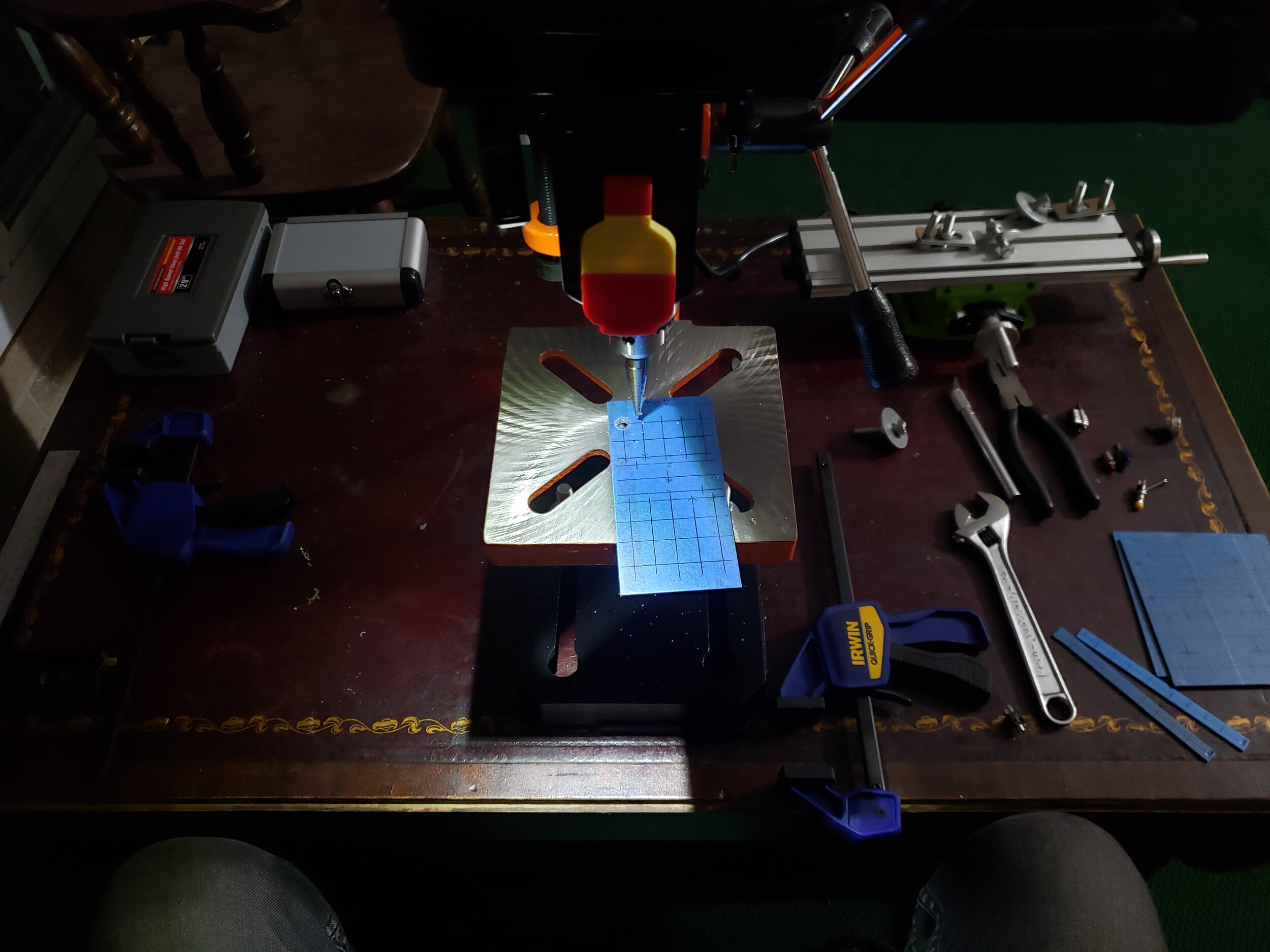
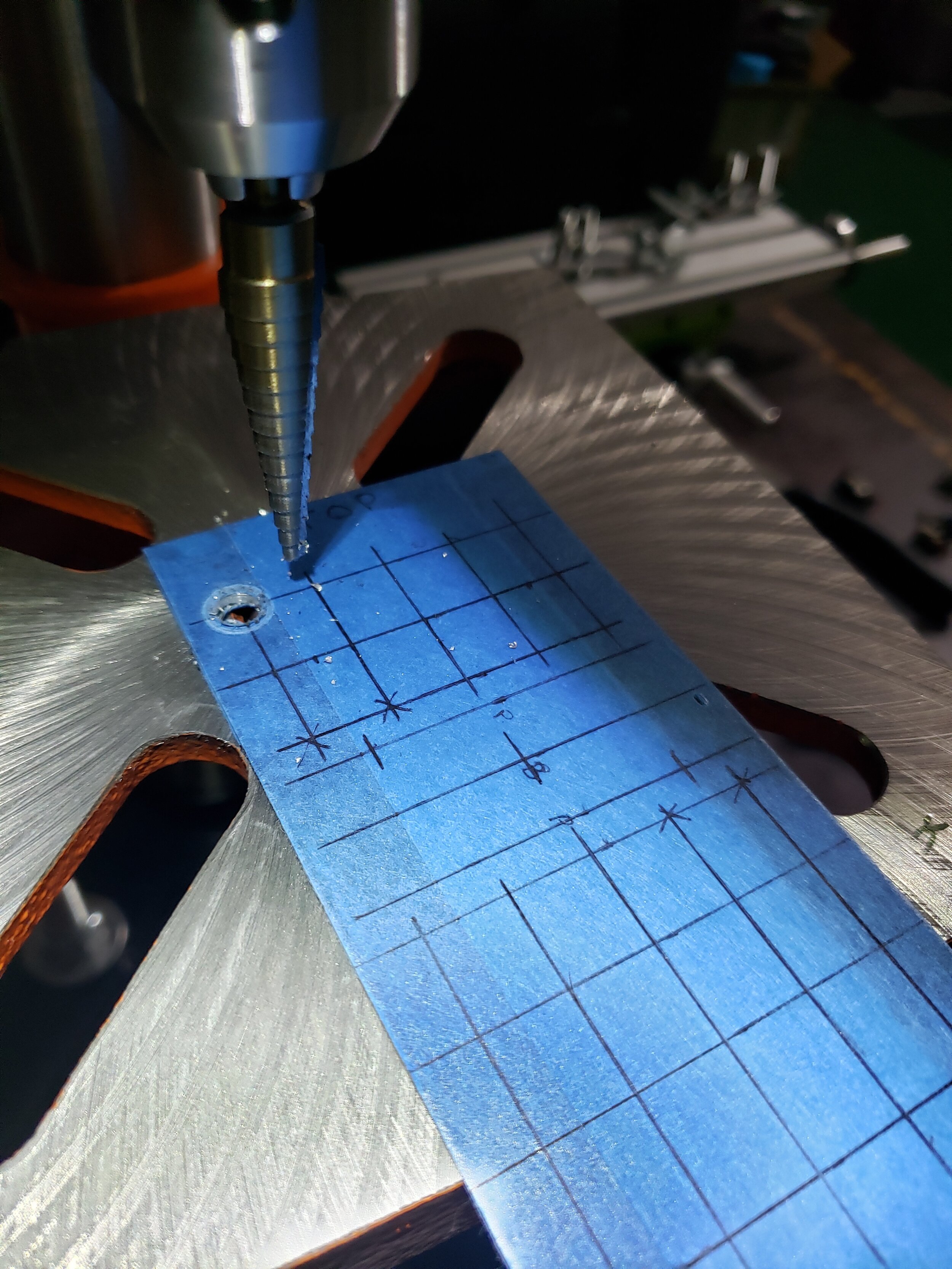
Panel Progress

I’ve been working first on designing a layout and building a few panels. None of these are functional yet, except for the LFO which I built based on Niklas Ronnberg’s design as I needed a module for testing purposes.

As things develop I hope to build out a dedicated spot in the Devices section for these modules so I can document their development and share resources.

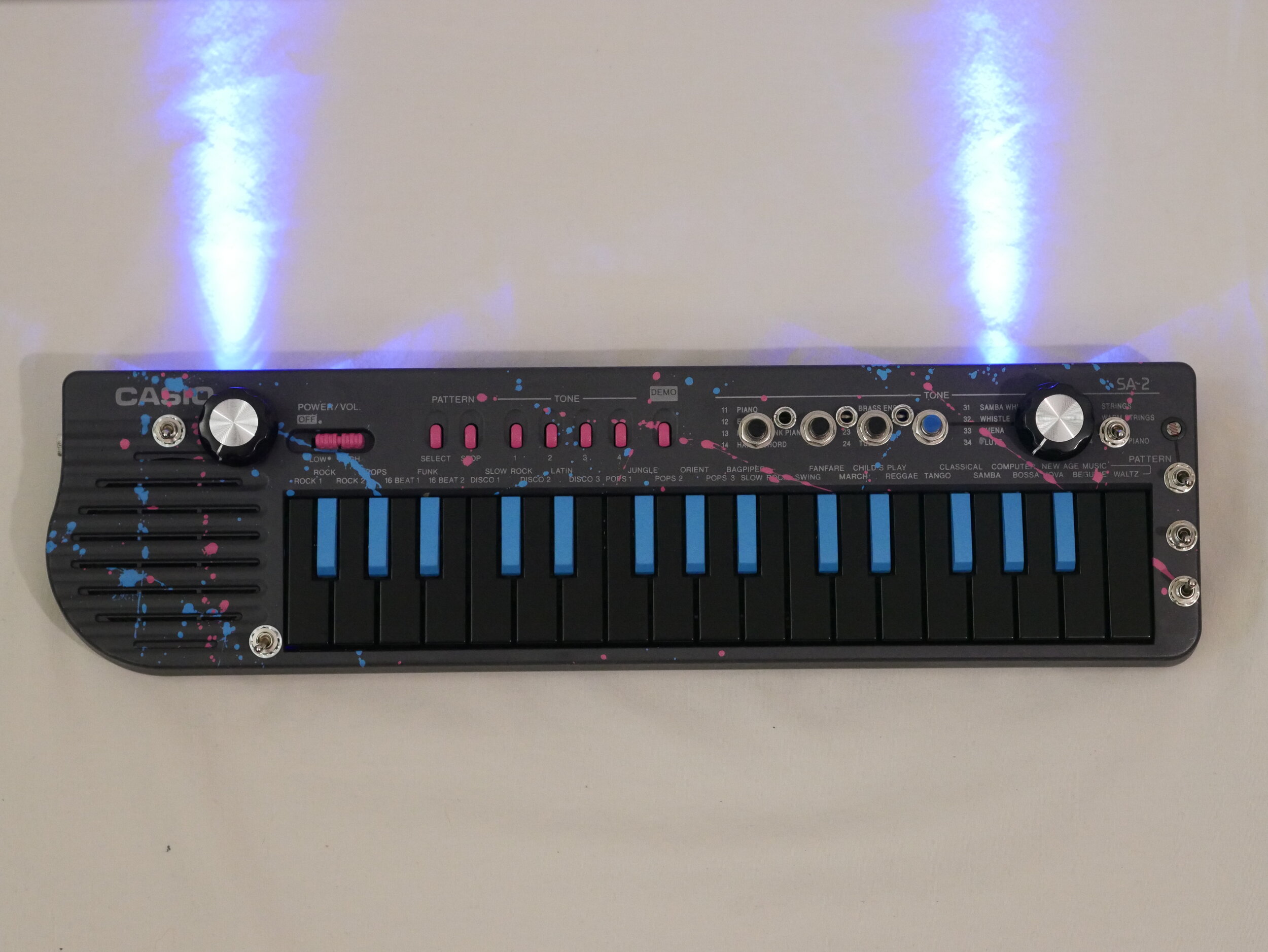
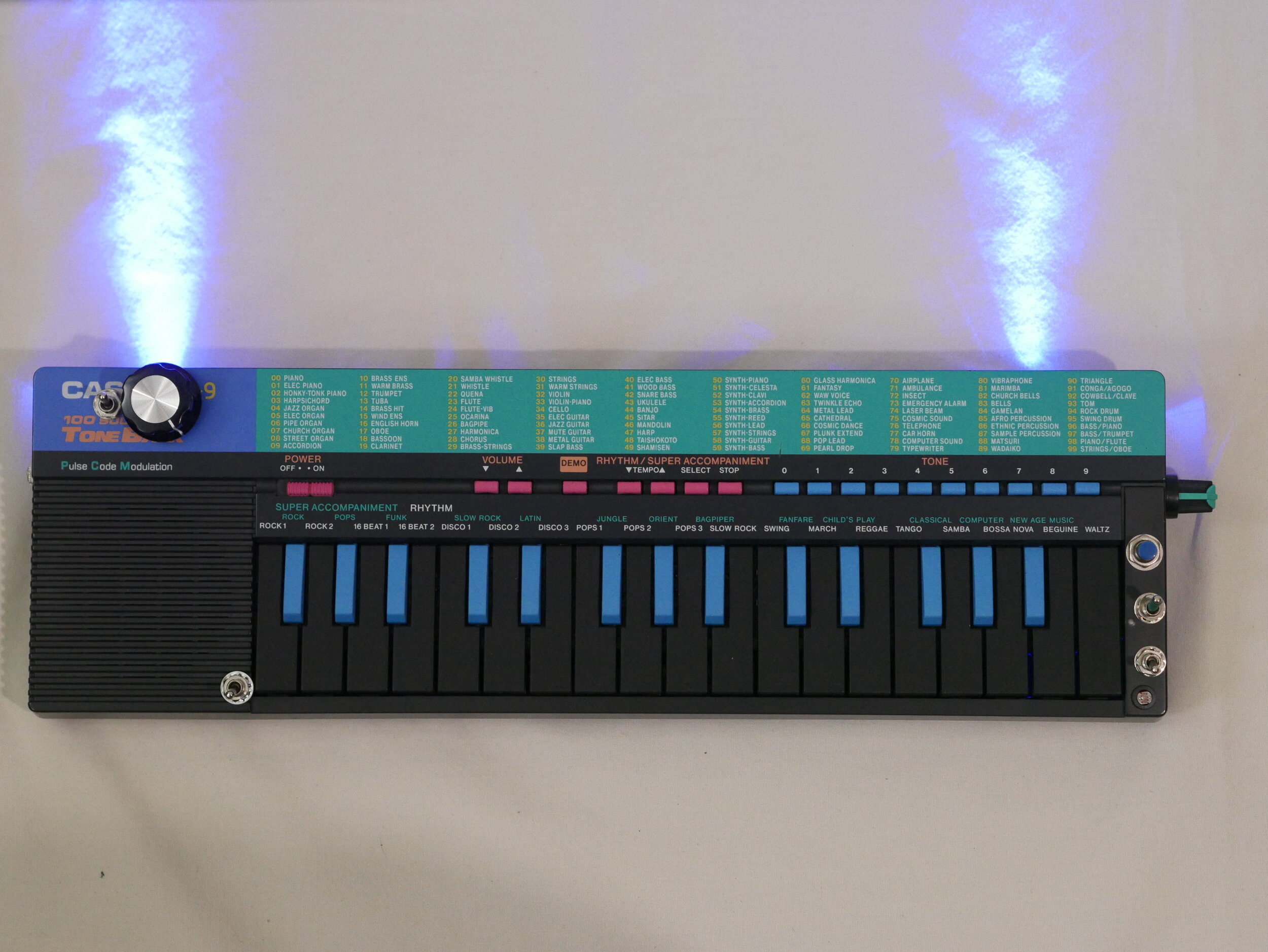
For Sale: Circuit bent Hing Hon EK-001, Casio SA-2, Casio SA-9

I’ve got a few things for sale which you can check out here!

I’m in the process of making videos for each device, but I’ve linked to previous builds that are very similar to the ones for sale. Feel free to get in touch with any questions you might have!

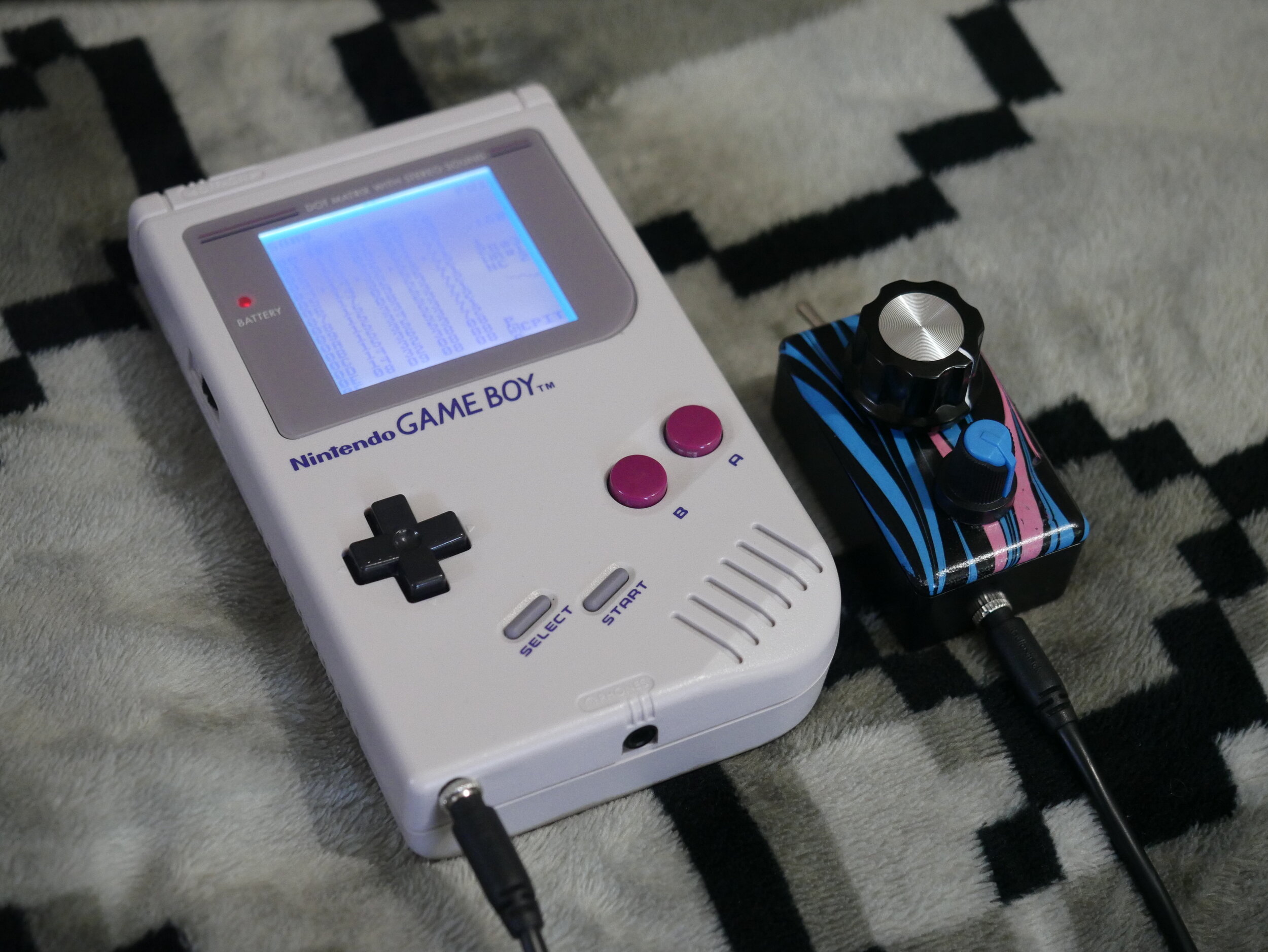
New build: A feedback-centric video synthesizer, the 100PFB

 
100PFB_Logo_white_vector.png
 

Check out the page here!

Via the 100PFB page:

The 100PFB, which stands for 100% Feedback, is a video synthesizer based around creating a no-input feedback loop by feeding two analog video signal converters into each other and exposing controls for manipulating the image.

The I/O includes two composite video outputs (one for the main mix, one for a mini monitor), a VGA output, an external signal/audio input with on/off, and a 5v power jack.

The main panel includes mix knobs for the red, green and blue channels, ‘pulse’ buttons for each channel, an LFO with on/off and controls for rate, shape, depth, switches to send the LFO to each color channel, image shift buttons, zoom/crop adjustment, basic menu controls, and switches for causing some visual glitches.

The device was built into an enclosure which was painted using a hydro-dipping marbling technique.

Custom built for Adam Kane who does visuals over at the 100% Electronica stream on Twitch.

August, 2020.

Updated Casio SA-2 Circuit Bending Schematics

I had some documentation on circuit bending the Casio SA series up, but while helping somebody work on their own I realized how shoddy, old, and ugly those old images were and decided to make a new one. This new diagram includes all information I’m currently aware of in regards to circuit bending the Casio SA-2 (and many others in the Casio SA family) based on personal experience and available information scattered across the internet.

Over at the schematics page